 Pin it
 My kitchen flooded with the smell of frying halloumi one late afternoon, and I realized I'd been craving something bright and contradictory—crispy cheese against soft citrus, earthy greens meeting salty tang. I'd just picked up blood oranges at the market, their deep crimson insides practically glowing when I cut them open, and suddenly this salad crystallized in my mind as the only thing that made sense for dinner. It felt both familiar and entirely new, like meeting an old friend who'd been living somewhere exotic.
I made this for my sister during a unexpected visit when she'd just returned from travels through the Levant, and watching her face light up at that first forkful felt like I'd somehow captured a part of her journey. She kept asking about the dressing, the way the pomegranate molasses rounded out the brightness, and by the end of lunch we were already planning the next time I'd make it.
Ingredients
- Halloumi cheese, sliced into thick rounds: This is the cheese that stands up to heat without melting into oblivion—seek out a good quality block and slice it yourself rather than pre-packaged, the texture will thank you.
- Blood oranges: Their jeweled color is half the appeal, but the flavor runs deeper and more complex than regular oranges, though you can absolutely substitute if that's what you have on hand.
- Mixed salad greens (romaine, arugula, parsley, mint): Don't just grab one type—the variety in texture and flavor is what makes this salad feel alive rather than routine.
- Cucumber: Keep the skin on for color and a gentle bitterness that balances the sweetness of the orange.
- Cherry tomatoes: Halved rather than quartered so they release their juice slowly into the dressing as you eat.
- Radishes: Thinly sliced so they stay crisp and provide that necessary peppery snap.
- Red onion: The raw bite is essential—slice it thin and let it sit for a moment if it feels too aggressive to your palate.
- Sourdough bread for croutons: The tang of sourdough complements the sumac in ways that milder breads simply cannot.
- Extra virgin olive oil: Use your best bottle for the dressing, it genuinely matters here.
- Fresh lemon juice and red wine vinegar: Together they create a brighter, more complex acid than either would alone.
- Ground sumac: This is non-negotiable—it's the soul of the dressing, providing earthiness and a gentle tartness that feels entirely different from citrus.
- Pomegranate molasses: A small amount rounds the edges of the vinaigrette and adds a subtle sweetness that doesn't read as sugar.
Tired of Takeout? 🥡
Get 10 meals you can make faster than delivery arrives. Seriously.
One email. No spam. Unsubscribe anytime.
Instructions
- Toast the sourdough until it's golden and somehow crisp:
- Cut your bread into irregular cubes so some pieces get crunchier than others, toss with olive oil and salt, then bake at 180°C until the edges are darkened and the centers are still slightly tender. You want them to stay crunchy for a good five minutes after they come out of the oven.
- Whisk your dressing into something balanced:
- Combine the olive oil, lemon juice, red wine vinegar, sumac, pomegranate molasses, salt and pepper in a small bowl and whisk until emulsified and glossy. Taste it before moving on—adjust the salt if needed, sometimes a tiny pinch more makes all the difference.
- Get that halloumi sizzling:
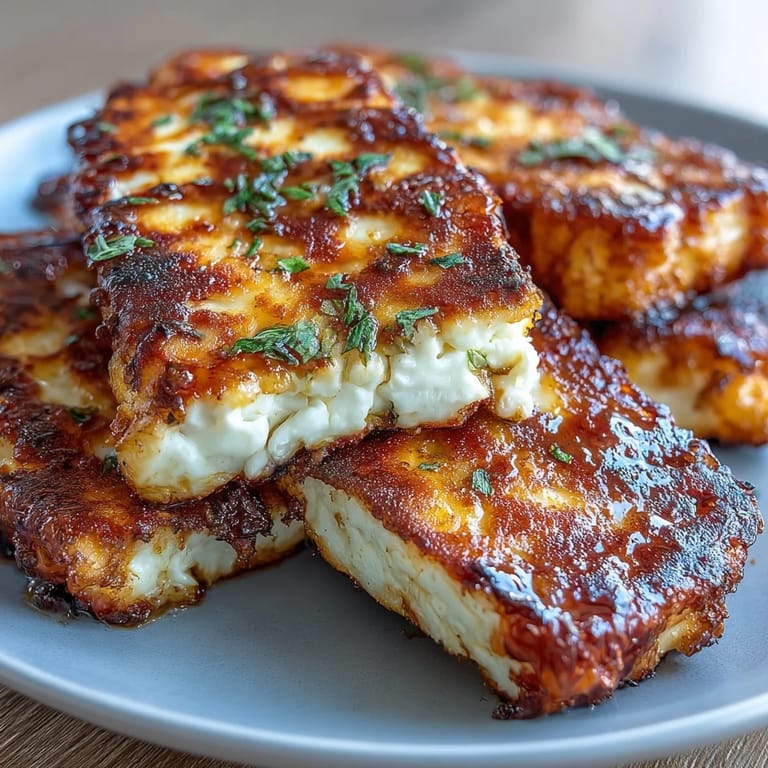
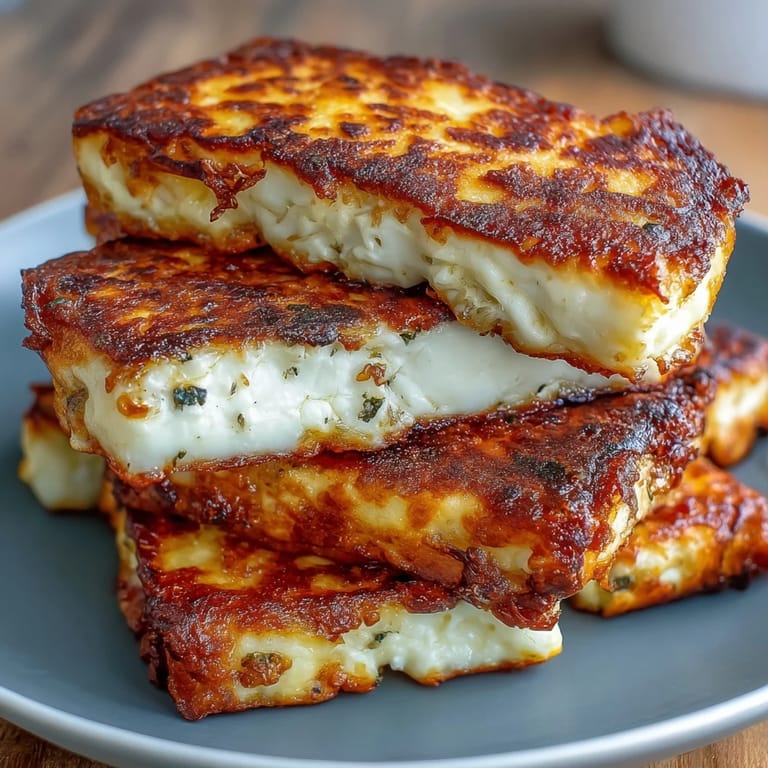
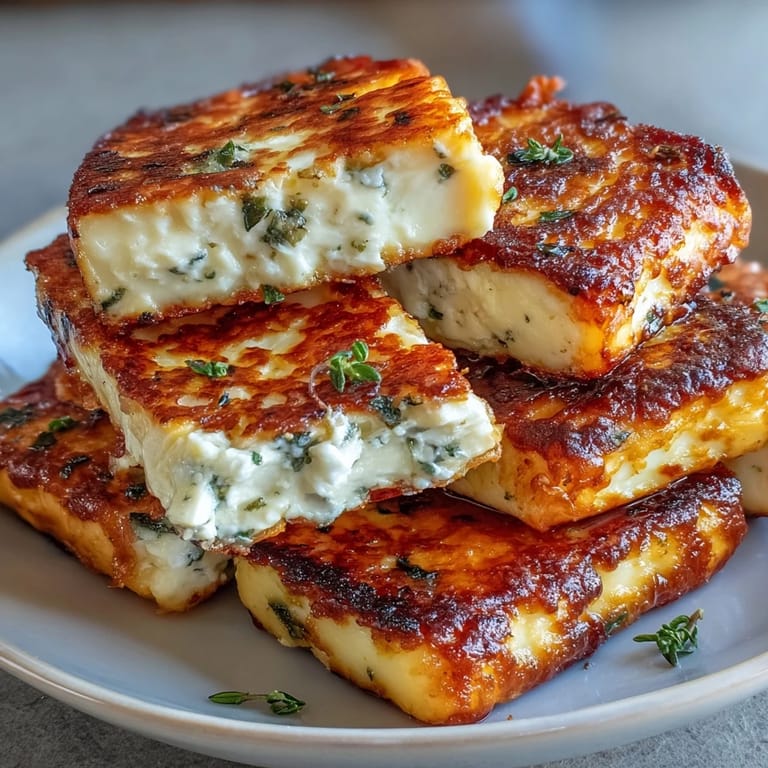
- Heat olive oil in a nonstick skillet over medium heat until it shimmers slightly, then add your halloumi slices and let them sit undisturbed for a full minute before flipping. The edges should be golden and slightly crispy while the cheese stays firm enough to hold its shape.
- Build the salad with intention:
- Start with your greens as the foundation, then layer the cucumber, tomatoes, radishes, and red onion around the bowl so you can see all the colors. This isn't just for show—it makes sure every bite has a bit of everything.
- Bring it all together at the last moment:
- Add the warm halloumi, blood orange slices, and croutons directly to the bowl, then drizzle with dressing and toss gently but thoroughly. Serve immediately while the cheese is still warm and the croutons haven't softened.
 Pin it
 There's something about serving a salad that's warm in some places and cold in others, where every texture and temperature contrasts, that makes people slow down and actually taste what's in front of them. It stopped being just dinner the moment someone asked for seconds and then asked for the recipe, and I realized I'd created something that would probably become part of their regular rotation too.
The Levantine Spirit
This salad borrows the fattoush tradition of using crisp bread as both textural element and a way to stretch ingredients, but adds the Mediterranean luxury of halloumi and blood oranges. It's not historically authentic—it's rather a conversation between regions, which feels appropriate for how most of us actually cook in modern kitchens. The sumac vinaigrette is where the real Levantine soul lives, that particular combination of tart, floral, and slightly salty that makes you close your eyes for a moment.
Making It Your Own
Once you understand the bones of this salad, you can riff endlessly depending on season and what's calling to you. I've made it with pomegranate seeds instead of blood oranges in winter, added toasted pistachios when I wanted more richness, and experimented with different lettuces when inspiration struck. The dressing is truly the foundation—get that right and everything else becomes a variation rather than a departure.
Storage and Serving Suggestions
This is one of those salads that demands to be eaten fresh and warm, so plan to assemble it when you're ready to sit down. However, you can prep everything separately an hour or two ahead—keep the halloumi on a separate plate so it stays warm, store the croutons in an airtight container, and keep your greens in a damp towel in the fridge. The dressing actually tastes better if you make it a few hours ahead so the flavors can marry.
- Fry the halloumi just before serving to maintain that golden, slightly yielding texture.
- If you're making this for a crowd, keep the croutons separate and let people add them as they eat so they don't get soggy.
- Leftover dressing keeps beautifully for three days and works on almost any grain or vegetable situation you find yourself with later.
 Pin it
 Every time I make this salad I'm reminded that the best meals are the ones that combine elements you'd never expect to work together but somehow do. It's become the dish I make when I want to feel like I'm cooking with intention rather than just feeding people.
Recipe Questions & Answers
- → Can I make the croutons ahead of time?
Yes, the sourdough croutons can be baked up to 2 days in advance. Store them in an airtight container at room temperature to maintain their crispness. Add them to the salad just before serving to prevent sogginess.
- → What's a good substitute for halloumi?
Grilled paneer, firm feta, or even thick-cut tofu work well as alternatives. Paneer offers a similar texture, while feta provides a crumbly, salty element. For vegan options, try marinated and grilled tofu or coconut-based cheese alternatives.
- → How do I choose ripe blood oranges?
Look for blood oranges that feel heavy for their size with smooth, brightly colored skin. The reddest varieties tend to be the sweetest. They should yield slightly to gentle pressure, similar to regular oranges. Peak season runs from December to March.
- → Can I substitute regular oranges?
Absolutely. Navel oranges or cara cara oranges make excellent substitutes. While you'll lose the striking crimson hue and slight berry notes of blood oranges, the citrus element remains equally refreshing and balances the salty halloumi beautifully.
- → How long does the dressing keep?
The sumac vinaigrette can be prepared up to a week in advance and stored in a sealed jar in the refrigerator. The pomegranate molasses and sumac provide a nice stability to the emulsion. Bring to room temperature and shake well before using.
- → Is this salad gluten-free?
As written, the salad contains gluten from the sourdough croutons. To make it gluten-free, simply use gluten-free bread for the croutons or omit them entirely and add extra vegetables or toasted nuts for crunch instead.