 Pin it
 The smell of garlic butter hitting hot dough is what pulled my neighbor to my kitchen window one Tuesday evening. I was testing naan recipes because I was tired of store-bought versions that tasted like cardboard, and the moment I brushed that first piece with garlic-spiked butter, I knew I'd never go back. It puffed up in the skillet like magic, browning in uneven, beautiful spots that made it look rustic and real. My neighbor ended up staying for dinner, and we tore through six pieces before the curry even made it to the table. That's when naan stopped being a side dish and started being the main event in my house.
I made this for a small dinner party once, rolling out dough while my friends sat around the kitchen island with wine. They watched each naan bubble and blister in the skillet, and by the third one, everyone wanted a turn flipping. We ended up with a pile of misshapen, over-garlicked flatbreads that we devoured before the main course was ready. It became less about perfection and more about the ritual of making something together, and I think that's what good bread is supposed to do.
Ingredients
- All-purpose flour: The backbone of the dough, giving structure without being too heavy, and it's accessible enough that you don't need to hunt down specialty grains.
- Active dry yeast: This is what makes the naan puff and rise, creating those airy pockets that soak up curry so well, just make sure your water is warm but not scalding or it won't activate.
- Sugar: Feeds the yeast and helps it bloom into that frothy cloud you want to see before mixing in the rest.
- Warm water: The temperature matters more than you'd think, aim for bathwater warm so the yeast wakes up without dying.
- Salt: Balances the dough and brings out flavor, don't skip it or your naan will taste flat.
- Plain yogurt: Adds tang and tenderness, making the texture softer and giving it that slight chew you expect from good naan.
- Oil or ghee: Ghee brings a nutty richness, but vegetable oil works perfectly fine if that's what you have on hand.
- Minced garlic: The star of the topping, use fresh cloves if possible because jarred garlic never hits the same way.
- Melted butter: The vehicle for all that garlic, brushed on while the naan is still steaming so it soaks in instead of sitting on top.
Tired of Takeout? 🥡
Get 10 meals you can make faster than delivery arrives. Seriously.
One email. No spam. Unsubscribe anytime.
Instructions
- Wake up the yeast:
- Combine warm water, sugar, and yeast in a large bowl, then stir gently and walk away for five to ten minutes. You'll know it's ready when it looks frothy and alive, like a tiny science experiment on your counter.
- Build the dough:
- Add flour, salt, yogurt, and oil to the yeast mixture, then stir until it comes together into a shaggy mass. It won't look pretty yet, but that's fine.
- Knead until smooth:
- Turn the dough onto a floured surface and knead for five to seven minutes, pressing and folding until it feels smooth and elastic under your hands. If it sticks, dust with a little more flour, but don't overdo it or the naan will be dense.
- Let it rise:
- Place the dough in a greased bowl, cover with a damp towel, and set it somewhere warm for about an hour. It should double in size, which always feels like a small miracle when it happens.
- Shape the naan:
- Punch down the dough to release the air, then divide it into eight equal pieces and roll each one into an oval or teardrop shape about a quarter inch thick. Don't stress if they're not identical, uneven naan has more character anyway.
- Heat your skillet:
- Get a cast iron skillet or heavy pan screaming hot over medium-high heat. You want it hot enough that the dough sizzles when it hits the surface.
- Cook the naan:
- Place one piece in the skillet and let it cook for two to three minutes until bubbles form and the bottom gets golden brown spots. Flip it and cook for another minute or two, pressing gently with a spatula if you want more color.
- Brush with garlic butter:
- As soon as you pull the naan off the heat, brush it generously with melted butter mixed with minced garlic. The heat will melt the butter into the dough and make your kitchen smell incredible.
- Repeat and serve:
- Keep going with the rest of the dough, stacking the finished naan on a plate and covering with a towel to keep them soft. Serve them warm, because that's when they're at their best.
 Pin it
 One night I made naan just to use up leftover yogurt, and my kids ended up eating it with honey instead of curry. They rolled pieces into little scrolls and dipped them like it was dessert, and I didn't stop them because watching them enjoy something I made from scratch felt better than any rulebook. Sometimes the best meals are the ones that ignore the plan entirely.
How to Know When Your Dough Is Ready
The dough should feel smooth and slightly tacky but not sticky enough to cling to your fingers. If you poke it gently, it should spring back slowly, which means the gluten has developed enough to give the naan structure. I used to overthink this step, but now I just trust the feel, if it's soft and alive under your hands, you're good to go.
Why a Hot Skillet Makes All the Difference
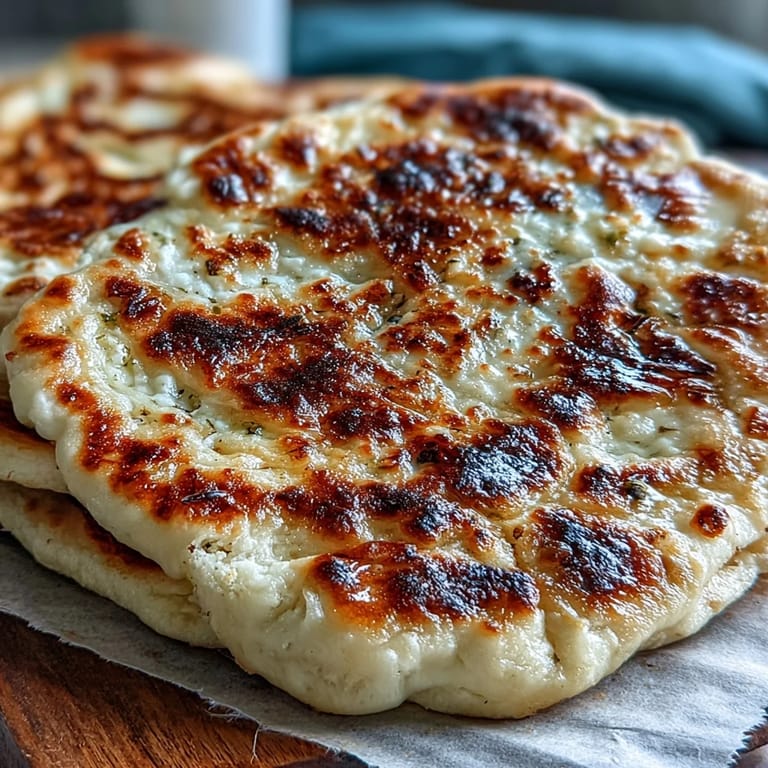
A properly heated skillet creates those charred, blistered spots that give naan its signature look and flavor. If the pan isn't hot enough, the dough will cook through without browning, and you'll end up with pale, boring flatbread. I learned this the hard way after a batch that looked anemic and tasted like warm flour, now I always let the skillet preheat for a few extra minutes.
Storing and Reheating Leftover Naan
Naan is absolutely best fresh, but leftovers can be wrapped in foil and stored in the fridge for up to three days. To reheat, I throw them in a hot skillet for thirty seconds on each side or wrap them in damp paper towels and microwave for twenty seconds. You won't get the same crispness as fresh naan, but it's still miles better than anything from a package.
- Freeze extras by layering them with parchment paper and sealing in a freezer bag, they'll keep for up to two months.
- Reheat frozen naan directly in a skillet without thawing, just give it an extra minute per side.
- Avoid reheating in the oven unless you wrap them tightly in foil, or they'll dry out and turn leathery.
 Pin it
 There's something about pulling hot naan off the stove and watching people tear into it that makes all the kneading and waiting worth it. It's simple, honest food that doesn't need much explanation, just good butter, good garlic, and a little bit of heat.
Recipe Questions & Answers
- → What makes naan different from other flatbreads?
Naan typically contains yogurt which keeps the bread soft and tender. It's cooked at high heat in a skillet, creating those characteristic bubble pockets and golden-brown spots. The dough is thicker than roti or chapati, resulting in a fluffy, pillowy texture that's perfect for soaking up sauces.
- → Can I make garlic naan without yeast?
While traditional naan uses yeast for that signature fluffy texture, you can make a quicker version using baking powder and baking soda. However, the dough won't rise quite as much and the texture will be slightly denser. For the best results, stick with the yeast version when you have time.
- → How do I store and reheat leftover naan?
Store cooled naan in an airtight container or zip-top bag at room temperature for up to 2 days, or freeze for up to 3 months. To reheat, warm in a dry skillet over medium heat for 30-60 seconds per side, or wrap in foil and heat in a 350°F oven for 5-8 minutes until warm and soft.
- → What's the best way to serve garlic naan?
Serve naan warm immediately after brushing with garlic butter. It's perfect alongside curries like butter chicken, tikka masala, or dal. You can also use it as a wrap for grilled meats and vegetables, or tear it into pieces for dipping in raita, chutneys, or hummus.
- → Can I make this naan vegan?
Yes, easily substitute the plain yogurt with unsweetened plant-based yogurt like coconut or almond yogurt. Replace the melted butter in the topping with melted coconut oil or vegan butter. The texture and flavor will remain similar, making it suitable for plant-based diets.
- → Why is my naan not puffing up in the skillet?
Ensure your skillet is properly heated to medium-high before adding the dough. The dough should be rolled evenly but not too thin. If the pan isn't hot enough, the naan won't develop those signature bubbles. Also make sure your yeast was active and the dough had time to rise properly before cooking.