 Pin it
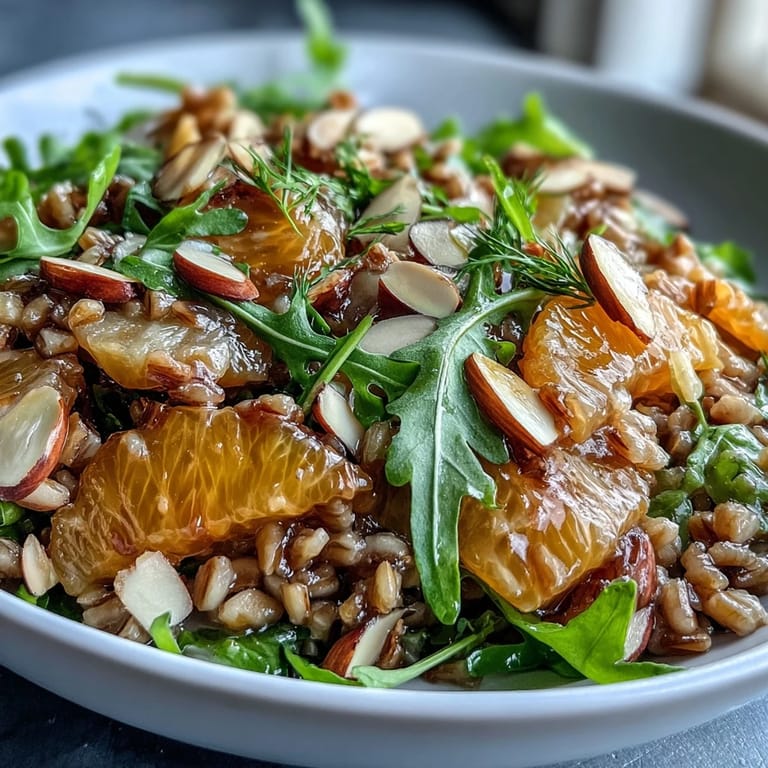
 There's something about the first warm day of spring that makes me crave salads with actual substance. I was standing at the farmer's market, fennel fronds tickling my nose, when I spotted these glossy oranges and thought, why not build something that tastes like both brightness and earthiness at the same time? That's when farro entered the picture—this little grain that somehow stays tender and slightly chewy no matter what you do to it, and suddenly lunch became something I actually wanted to sit down for.
I made this for a potluck last June where everyone brought the same tired pasta salad, and somehow this farro situation became the thing people kept coming back to. A friend I hadn't seen in months took a bite and said, 'Wait, this is actually good,' which might be the highest compliment a salad can receive.
Ingredients
- Whole grain farro: This chewy, nutty grain is the backbone of everything here—it's forgiving to cook and has a texture that actually makes you want to chew rather than rush through lunch.
- Water and kosher salt: The foundation for cooking farro properly, and don't skip the salt because it seasons the grain from the inside out.
- Fennel bulb: Slice it thin enough that it's delicate but thick enough that it doesn't disappear, and those fronds you reserved? They're pure garnish gold.
- Oranges: Segment them fresh rather than using juice, because those little pockets of juice are what make the salad feel alive.
- Arugula or baby spinach: Pick whichever green makes you happy—arugula adds a peppery edge, spinach stays mild and supportive.
- Fresh parsley: This isn't just decoration; it's brightness that cuts through the richness and reminds you that you're eating something alive.
- Sliced almonds, toasted: Toasting them yourself in a dry skillet takes three minutes and transforms them from mild to nutty in a way that changes the entire dish.
- Extra-virgin olive oil: Use the good stuff here because there's nowhere for it to hide—it's basically the dressing's main character.
- Orange juice and lemon juice: Fresh squeezed means you actually taste the fruit, not the metallic ghost of juice concentrate.
- Honey or maple syrup: Just a teaspoon balances the acidity and makes the dressing feel complete rather than sharp.
- Dijon mustard: This emulsifies the dressing and adds a subtle sophistication that makes people wonder what you did differently.
- Sea salt and black pepper: Season to taste because your oranges might be sweeter or your lemons more tart depending on the day.
Tired of Takeout? 🥡
Get 10 meals you can make faster than delivery arrives. Seriously.
One email. No spam. Unsubscribe anytime.
Instructions
- Rinse and simmer the farro:
- Rinse the grains under cold water first—this removes excess starch and helps them cook evenly. Bring everything to a boil, then lower the heat and let it bubble gently under a lid for 25 to 30 minutes until the farro is tender but still has that pleasant chew, then drain and spread it on a plate to cool while you do everything else.
- Toast the almonds:
- While the farro is cooking, put your sliced almonds in a dry skillet over medium heat and listen for them to start crackling and smelling like toasted happiness—usually two to three minutes of stirring keeps them from burning. Set them aside immediately so they don't overcook from the residual heat.
- Prepare your produce:
- Slice the fennel thin enough that it's almost translucent, segment those oranges so you get the juice but not the white pith, and chop your parsley into pieces that are visible but not aggressively chunky.
- Build the base:
- In your largest bowl, combine the cooled farro, fennel, orange segments, greens, and parsley—don't dress it yet, just get everything in there so you know you have enough of each element.
- Whisk the dressing:
- In a small bowl or jar, combine the olive oil, citrus juices, honey, mustard, salt, and pepper, then whisk or shake it vigorously until it looks slightly thickened and emulsified rather than separated.
- Bring it together:
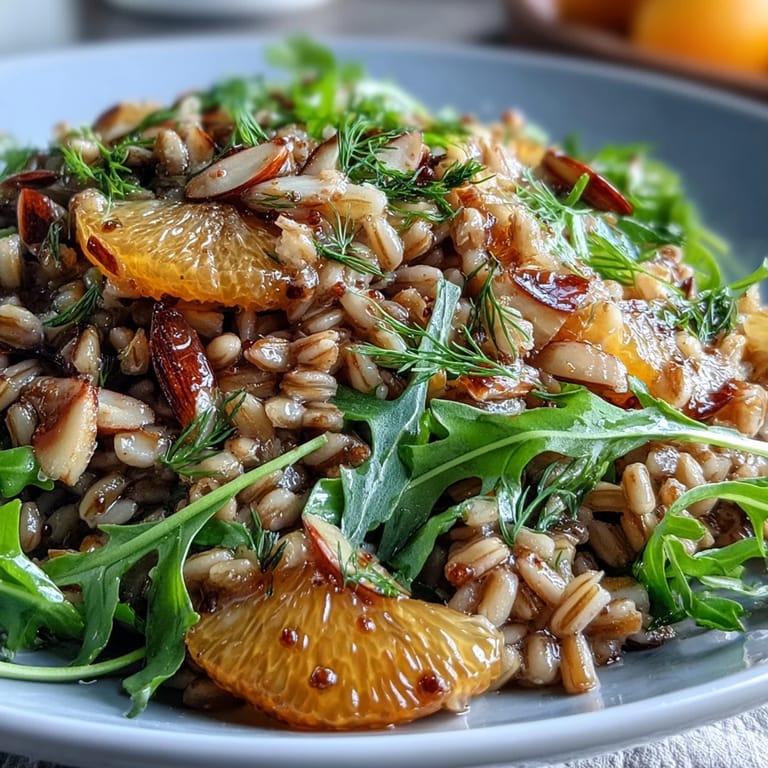
- Pour the dressing over the salad and toss gently so everything gets coated without crushing the greens or breaking up the farro. Add your toasted almonds last, toss once more, then garnish with those reserved fennel fronds and serve immediately or chill it until you're ready.
 Pin it
 There's a moment when you taste this salad and realize you're not eating rabbit food—you're eating something substantial enough for dinner but light enough that you don't feel guilty afterward. That's when it stops being a side dish and becomes something you actually plan your week around.
Why Farro Became My Grain
I spent years thinking all whole grains were some kind of punishment, until someone convinced me to try farro and I realized the difference between something that tastes like health and something that actually tastes good. It's chewy without being dense, it absorbs flavors without getting mushy, and it makes you feel virtuous without requiring any actual suffering.
The Fennel Element
Fennel gets a lot of hate from people who think it's going to taste like licorice, but when it's sliced thin and fresh and paired with citrus, it becomes something almost crystalline—crisp and slightly sweet without any of that anise intensity. Cooking it changes everything, so if you're hesitant, try it raw first and let yourself be surprised.
Make It Your Own
This salad is honestly a template waiting for your interpretation, so don't feel locked into my exact combination. The core idea—chewy grain, crisp vegetable, bright citrus, crunchy nuts, and punchy dressing—works with so many variations that it's almost foolproof.
- Add chickpeas or grilled chicken if you want it to transition from side dish to main course without apologizing.
- Swap the farro for barley, quinoa, or even couscous depending on what you have in your pantry and what texture you're craving.
- Use whatever citrus is in season—blood oranges, grapefruit, clementines—and adjust your dressing accordingly so it stays in harmony.
 Pin it
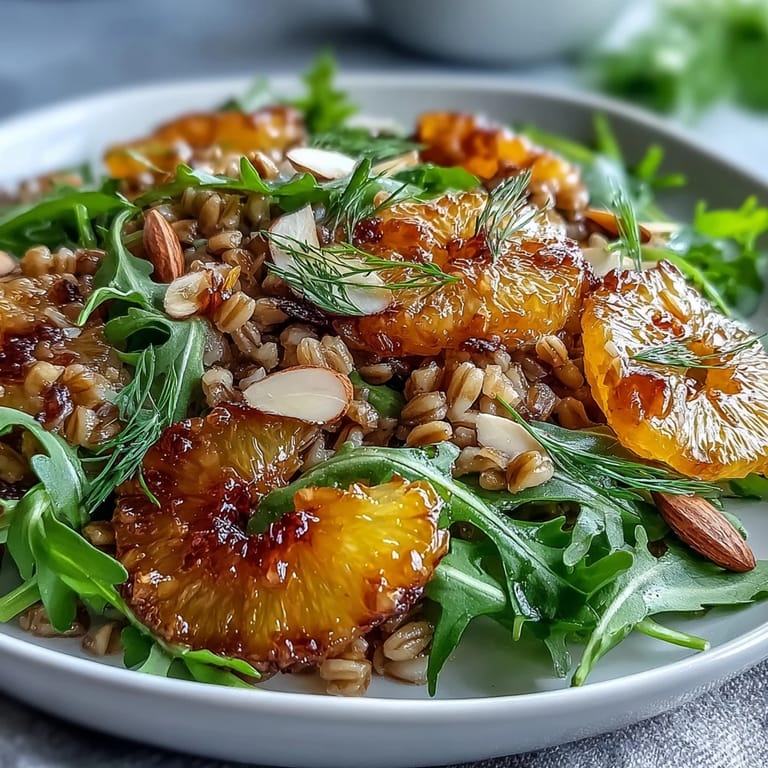
 This salad lives in that perfect place where it's impressive enough to bring to a dinner party but simple enough to throw together on a Tuesday night when you want something that actually nourishes you. Make it once and I guarantee it becomes a rotation staple.
Recipe Questions & Answers
- → Can I make this ahead of time?
Yes, prepare the farro and dressing up to 2 days in advance. Store separately and combine just before serving to maintain the crisp texture of vegetables and nuts.
- → What can I substitute for farro?
Barley, wheat berries, or quinoa work well as alternatives. Quinoa provides a gluten-free option while barley offers similar chewy texture and nutty flavor.
- → How do I prevent the salad from getting soggy?
Let the cooked farro cool completely before combining with other ingredients. Dress just before serving and add toasted almonds as the final step to preserve their crunch.
- → Can I add protein to make it a complete meal?
Grilled chicken breast, chickpeas, or crumbled feta cheese make excellent protein additions. Simply top individual portions rather than mixing into the entire batch.
- → What other citrus fruits work in this dish?
Blood oranges add gorgeous color, grapefruit provides bitterness contrast, and segmented cara cara oranges offer extra sweetness. Mix varieties for visual appeal.
- → Is this suitable for meal prep?
Perfect for meal prep! Portion into airtight containers, keeping dressing separate. The flavors actually develop and improve after marinating together for a day.