 Pin it
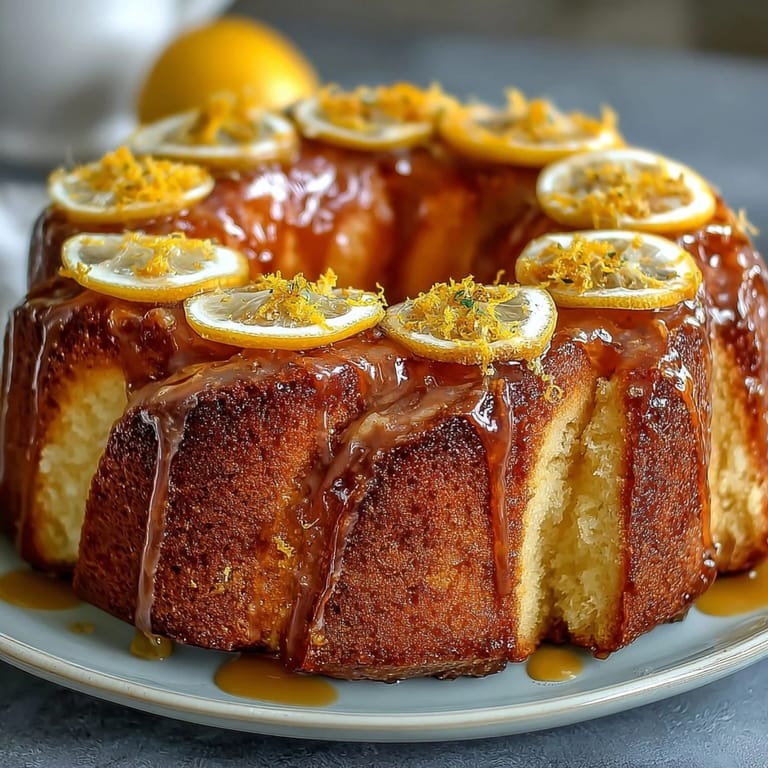
 My neighbor Maria showed up one afternoon with a bottle of homemade limoncello and wouldn't leave until I promised to bake something with it. I'd never thought to put liqueur directly into a pound cake before, but that first slice—still warm, with the glaze pooling into golden streaks—made me understand why she was so insistent. The cake stayed moist for days, which almost never happens with my baking.
I brought this to a spring potluck last year, and three people asked for the recipe before they'd even finished their first slice. One friend mentioned she'd been craving something bright and not-too-sweet, and this somehow hit exactly that note. Watching people relax and smile over dessert never gets old.
Ingredients
- All-purpose flour (2 1/2 cups): Make sure it's fresh and store-bought, not self-rising, so you control the rise.
- Baking powder (1/2 tsp): Just enough to give the cake a gentle lift without making it airy like a sponge cake.
- Fine sea salt (1/2 tsp): This amplifies the lemon and keeps the sweetness from feeling one-note.
- Unsalted butter (1 cup, softened): Room temperature butter creams smoothly and traps air, which makes the crumb delicate.
- Granulated sugar (2 cups): This is what keeps the cake moist even after a few days of sitting.
- Large eggs (4, room temperature): Cold eggs won't incorporate fully, and you'll end up with a dense crumb instead of a tender one.
- Limoncello liqueur (1/3 cup): The star ingredient—it adds moisture, flavor, and a subtle boozy warmth that doesn't burn off.
- Whole milk (1/4 cup, room temperature): Adds tenderness without making the batter too thin.
- Fresh lemon juice (1/4 cup): This is why the cake tastes so bright; bottled juice doesn't quite measure up.
- Lemon zest (from 2 lemons): The tiny bits of peel hold the most intense lemon flavor, so don't skip it.
- Pure vanilla extract (1 tsp): A small anchor that makes everything else taste more like itself.
- Powdered sugar (1 cup, sifted): Sifting removes lumps and makes a silky glaze.
- Fresh lemon juice for glaze (2–3 tbsp): You control the thickness by adjusting this, so add slowly.
- Limoncello for glaze (1 tbsp, optional): If you want an extra punch of flavor, this is where to sneak it in.
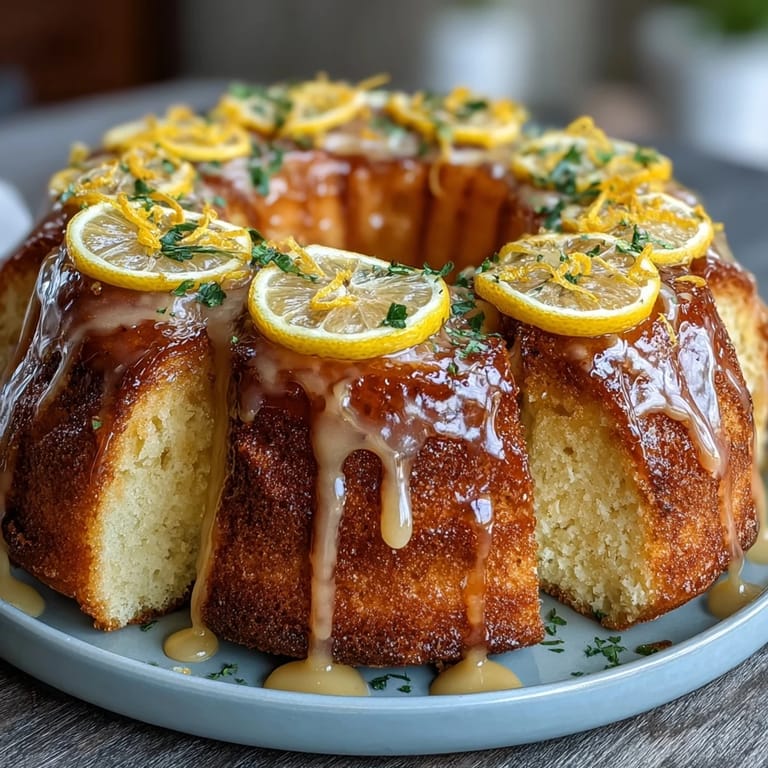
- Lemon zest for garnish (from 1 lemon): The final touch that makes the cake look intentional and pretty.
Tired of Takeout? 🥡
Get 10 meals you can make faster than delivery arrives. Seriously.
One email. No spam. Unsubscribe anytime.
Instructions
- Set yourself up for success:
- Preheat the oven to 350°F and prepare your pan—grease it well and dust with flour, or use a bundt pan if you want something showstopper-worthy. Having everything ready before you start mixing means you're not scrambling at the last minute.
- Build your dry team:
- Whisk the flour, baking powder, and salt in a bowl and set it aside. This seems simple, but mixing these together first means they distribute evenly through the batter instead of creating pockets of unmixed flour.
- Cream the butter and sugar:
- Beat them together for 3 to 4 minutes until the mixture looks pale, fluffy, and almost mousse-like. This is where air gets incorporated, which gives you that tender, delicate crumb.
- Add the eggs one at a time:
- Drop in one egg, beat until you can't see streaks of white anymore, then add the next. Rushing this step means you end up with a grainy batter that won't bake evenly.
- Bring in the liquid flavors:
- Pour in the limoncello, milk, lemon juice, lemon zest, and vanilla extract, then mix until just combined. The batter will look slightly curdled—this is normal and not a disaster.
- Fold in the flour gently:
- Add the flour mixture in two or three additions, stirring just until you don't see any white streaks. Overmixing develops gluten, which makes the cake tough and dense instead of tender.
- Pour and bake:
- Transfer the batter to your prepared pan and smooth the top gently. Bake for 50 to 60 minutes; if the top starts browning too quickly after 40 minutes, tent it loosely with foil so the inside can finish cooking without the outside burning.
- Cool with patience:
- Let the cake rest in the pan for 15 minutes (this helps it release cleanly), then turn it out onto a wire rack to cool all the way through. Rushing this means the glaze will melt into puddles instead of staying put.
- Make the glaze:
- Whisk the powdered sugar with 2 tablespoons of lemon juice and limoncello if you're using it, adding more lemon juice one teaspoon at a time until you get a glaze that's pourable but not runny. You want it to coat the cake and settle into the nooks, not slide right off.
- Finish and let set:
- Drizzle the glaze over the completely cooled cake, sprinkle the lemon zest on top, and let it sit for at least 10 minutes before slicing so the glaze can firm up slightly.
 Pin it
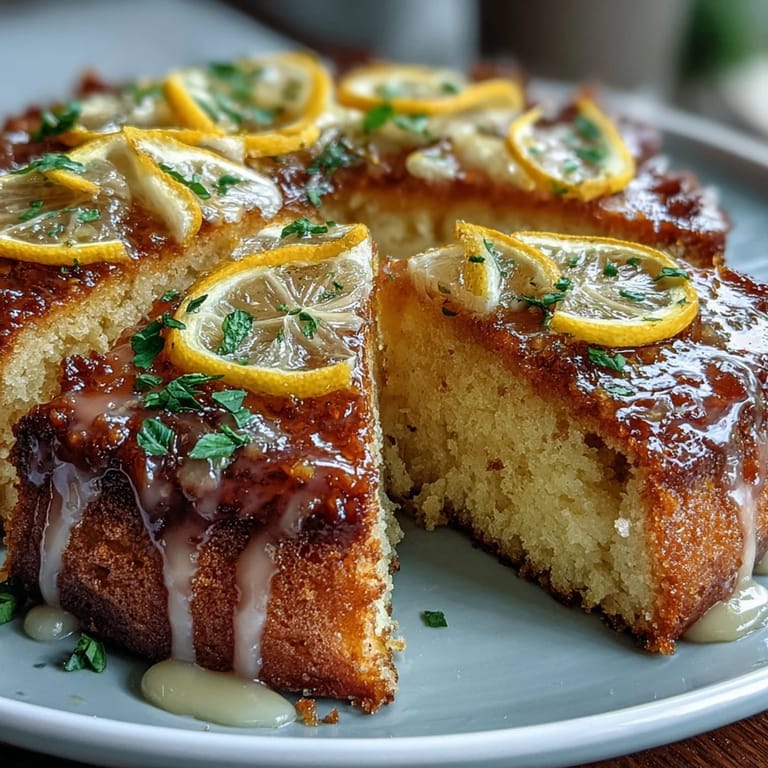
 My sister brought her new partner to Easter brunch, and I'd made this cake the day before. Watching them both close their eyes after the first bite and then immediately ask if I had the recipe made me remember why I actually love cooking—it's not about perfection, it's about that moment when something simple brings people together.
The Limoncello Question
People always ask if they can taste the alcohol, and the honest answer is: not in the way you'd think. The limoncello bakes into the cake, leaving behind its flavor and moisture without making it taste boozy. What you get instead is a subtle warmth and sophistication that makes people pause and wonder what the secret ingredient is. If you're concerned about alcohol content, know that much of it burns off during baking, though traces remain.
Storage and Serving
This cake is one of those rare baked goods that actually improves after a day or two as the flavors settle and the crumb becomes even more tender. Wrap it tightly in plastic wrap and keep it at room temperature for up to four days, or refrigerate it for up to a week. If you're serving it cold from the fridge, let it sit out for 20 minutes so the texture softens back up and the flavors wake up.
Ways to Make It Your Own
Once you've made it once, you'll start seeing possibilities everywhere. Some people brush the warm cake with extra limoncello before glazing for an even more intense flavor, while others add a tablespoon of poppy seeds to the batter for a subtle nod to lemon poppy seed cake. You can also play with citrus swaps—orange liqueur and zest create a slightly warmer, less sharp version, or try a combination of lemon and lime for something more tropical.
- For a dairy-free version, use coconut milk instead of whole milk and dairy-free butter; the result is slightly less rich but still tender and delicious.
- Make a lemon curd filling by slicing the cake horizontally and spreading curd between the layers before glazing.
- Pair it with fresh berries, whipped cream, or even a scoop of lemon sorbet for contrast.
 Pin it
 This cake has become my go-to when I want to feel like I've done something special without stress. It's forgiving, it travels well, and it makes people genuinely happy.
Recipe Questions & Answers
- → Can I substitute limoncello with another liqueur?
Yes, orange liqueur can be used as a substitute to provide a different citrus twist while maintaining the moist texture.
- → How do I ensure the pound cake stays moist?
Beating the butter and sugar until fluffy and mixing the ingredients gently helps maintain moisture. Avoid overmixing the batter.
- → What type of pan works best for baking?
A 9x5-inch loaf pan or bundt pan is ideal for even baking and forming the classic shape.
- → Can I prepare this cake ahead of time?
Yes, bake and cool the cake fully, then glaze before serving. Store in an airtight container to maintain freshness.
- → Is the lemon glaze necessary?
While optional, the lemon glaze adds a bright, tangy finish that complements the limoncello-infused cake beautifully.