 Pin it
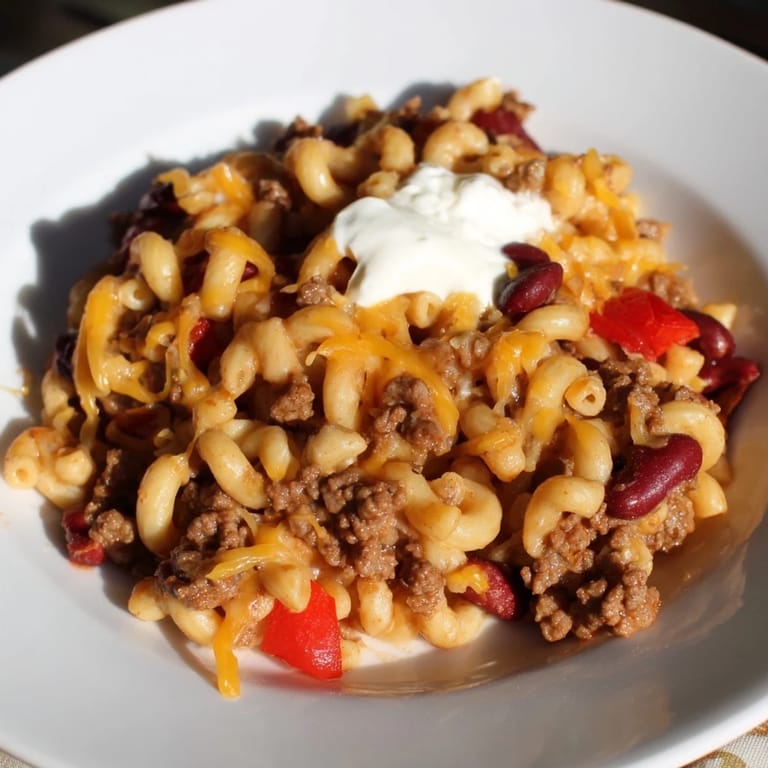
 There's this moment every winter when someone in the group chat asks if I'm making chili mac, and I know it's time. My dad used to make this on Sunday nights when we were kids—not fancy, just what was in the pantry—and now I've tweaked it into something that somehow feels both nostalgic and completely mine. One pot, thirty-five minutes, and suddenly everyone's gathered in the kitchen asking for seconds. It's the kind of dish that makes people feel taken care of.
I made this for my roommate last year when she was stressed about work, and she actually cried a little at the dinner table—not from sadness, just from the kind of comfort that comes from hot food and someone who cares. She still texts me about it. That's when I knew this recipe had staying power.
Ingredients
- Ground beef: A pound of good quality beef is the foundation here; it browns faster if you break it into tiny pieces as it hits the pan, and you'll notice the smell change from raw to deeply savory.
- Onion and bell pepper: These three or four minutes of sautéing is where sweetness develops; don't rush it or skip it.
- Garlic: Three cloves minced fine will dissolve into the whole dish and build complexity.
- Kidney beans: Drain and rinse them well to reduce excess starch and bloating.
- Diced tomatoes and tomato sauce: The combination gives you chunks and creaminess at once; the acidity balances the richness.
- Beef or vegetable broth: This is your liquid foundation; taste your broth first because some brands are quite salty.
- Elbow macaroni: Use uncooked pasta so it absorbs the chili flavors as it softens; it takes about 12–15 minutes in the simmering liquid.
- Chili powder, cumin, smoked paprika, oregano: Toast these together for one minute after the beef drains so they wake up and bloom into the oil.
- Cheddar cheese: Shredded from a block, never the pre-shredded stuff which contains anti-caking agents that can make the sauce gritty.
- Sour cream: Optional but honest; a spoonful on top cuts through the richness and adds tang.
Tired of Takeout? 🥡
Get 10 meals you can make faster than delivery arrives. Seriously.
One email. No spam. Unsubscribe anytime.
Instructions
- Brown the beef:
- Heat your pot over medium-high and let the beef hit the surface with a slight sizzle; don't move it for the first minute so it builds a crust, then break it into small pieces as it cooks. You'll hear the moisture release and eventually hear it sizzle again—that's when it's done.
- Sauté the vegetables:
- Pour off excess fat, leaving a thin coat in the bottom, then add your diced onion, pepper, and garlic; you want them soft and slightly golden, which takes about four minutes if you're stirring occasionally.
- Bloom the spices:
- Stir in all your spices and let them toast for one minute; you'll smell the cumin and paprika rise up and fill the kitchen, which is exactly what you want.
- Add everything together:
- Pour in your beans, tomatoes, tomato sauce, and broth, then add the uncooked pasta; stir until everything is submerged or mostly covered.
- Simmer low and covered:
- Bring to a boil, then drop the heat to medium-low, cover, and set a timer for twelve to fifteen minutes; stir once or twice so nothing sticks to the bottom.
- Finish with cheese:
- Once the pasta is tender, uncover the pot and stir in your shredded cheddar; it melts almost immediately and transforms the whole dish into something creamy and luxurious.
- Serve and celebrate:
- Taste, adjust your salt if needed, and serve hot with a dollop of sour cream if you have it.
 Pin it
 My neighbor once brought her daughter over when she smelled this cooking, and now they show up on the nights I make it. That's the test of a real recipe—when someone keeps coming back not because they have to but because they want to.
The Secret to Creamy Texture
The magic isn't just the cheese; it's the pasta starch that releases into the liquid as it cooks, creating a natural sauce without any cream or butter. By the time the pasta is tender, the whole pot is velvety and cohesive. Never drain the pasta separately because that starch is your friend here.
Making It Your Own
This is the kind of recipe that thrives on small changes. I've made it with ground turkey on mornings after heavy meals, added a diced jalapeño for heat, and even stirred in a handful of spinach at the very end without anyone noticing. The base is solid enough to handle tinkering, which is why I've made it maybe sixty times and it never feels boring.
Serving and Storage
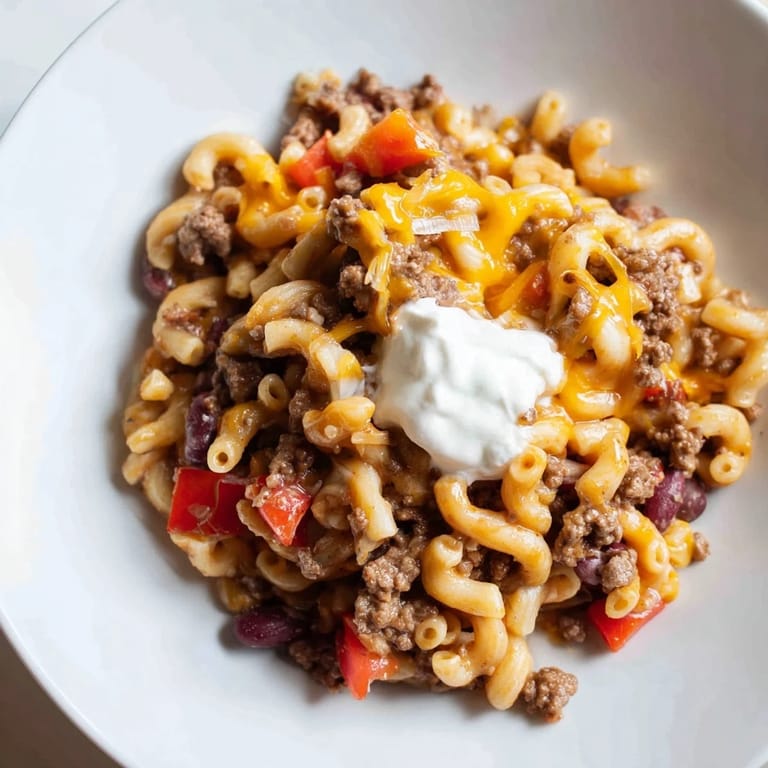
Serve this straight from the pot if you're eating immediately, or transfer it to a bowl for something a little more elegant. Leftovers last about four days in the fridge and actually taste richer the next day as the flavors settle. You can reheat it gently on the stove with a splash of broth if it thickens up in the fridge, but honestly, this is a dish that tastes just as good cold the next afternoon straight from the container.
- Top with sliced green onions, fresh cilantro, or a pinch of smoked paprika for color and brightness.
- For extra heat, add half a teaspoon of cayenne pepper or a diced jalapeño when you sauté the vegetables.
- If you want it lighter, swap the ground beef for ground turkey or plant-based crumbles without changing anything else.
 Pin it
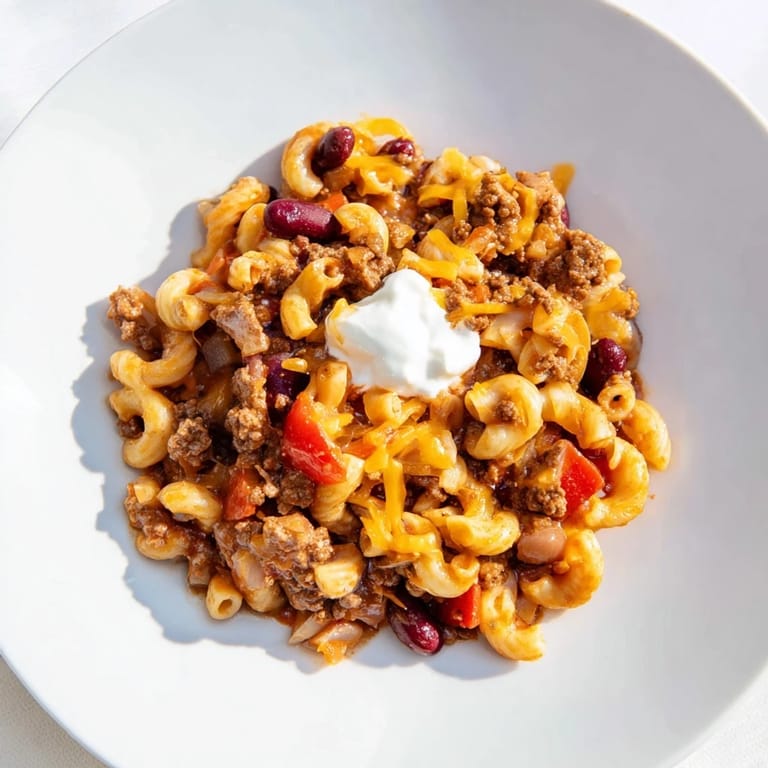
 This dish has become my answer to the question "what do you make when you want everyone to feel welcome?" It never fails.
Recipe Questions & Answers
- → Can I use turkey instead of beef?
Yes, ground turkey works well as a lighter alternative and cooks similarly, keeping the dish flavorful.
- → How can I make it spicier?
Add cayenne pepper or diced jalapeño when sautéing the vegetables for an extra kick.
- → Is it possible to prepare this vegetarian?
Yes, substitute plant-based crumbles or additional beans for the meat to keep it hearty and satisfying.
- → What type of pasta works best?
Elbow macaroni is ideal for even cooking and coating with sauce, but similar small pasta shapes can be used.
- → Can I freeze leftovers?
Leftovers freeze well; thaw fully and reheat gently to maintain creamy texture and flavor.
- → How do I avoid a watery sauce?
Simmer uncovered briefly after cooking to thicken the sauce or gently mash some beans into the mixture.