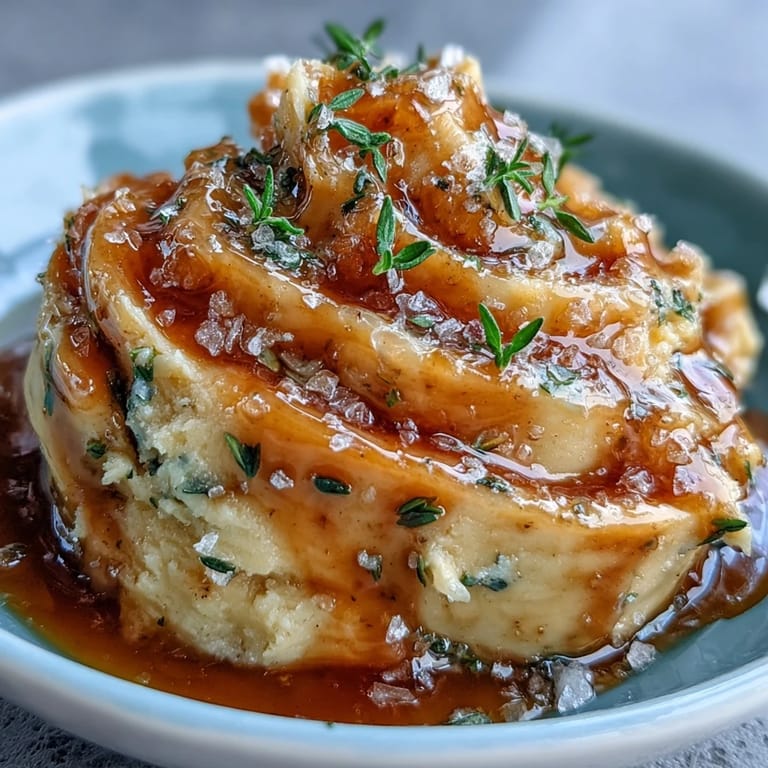
 Pin it
 My neighbor brought over warm cornbread one September evening, and while we sat on the porch waiting for it to cool, she mentioned she'd made a compound butter with honey to go alongside it. I watched her slice into a golden log and spread it across the still-steaming bread, and something just clicked—the way the butter melted into those little crevices, how the honey caught the fading light. That night changed how I thought about butter entirely, turning it from something functional into something that could genuinely elevate a simple piece of bread.
Last winter I made a batch for a potluck where everyone brought something store-bought except me, and I brought this salted honey butter with sliced sourdough. Halfway through the party, someone asked for the recipe, then someone else asked where I'd bought it. The butter sat on that table untouched until the very end, and then suddenly it was gone, scraped clean.
Ingredients
- Unsalted butter (1 cup, softened): Softening it properly is the secret—room temperature butter incorporates smoothly without getting greasy, and it's what makes this feel like velvet instead of a gritty mess.
- Honey (3 tablespoons): Wildflower or acacia honey brings complexity that clover honey can't quite match, though honestly, use what you have and taste as you go.
- Fleur de sel (1 teaspoon, plus more for garnish): This isn't regular table salt—the flakes are delicate and don't dissolve completely, creating little moments of brightness that make your tongue wake up.
- Fresh thyme (1 tablespoon, finely chopped): Thyme brings an earthy whisper that balances the sweetness without overwhelming the butter's richness.
- Fresh chives (1 tablespoon, finely chopped): These add a subtle onion note that sneaks in quietly and makes the whole thing more interesting than it has any right to be.
- Fresh rosemary (1 teaspoon, optional): If you're feeling bold, just a touch of rosemary adds a pine-like warmth, but start small—it's stronger than you think.
Tired of Takeout? 🥡
Get 10 meals you can make faster than delivery arrives. Seriously.
One email. No spam. Unsubscribe anytime.
Instructions
- Combine butter and honey:
- In a medium bowl, blend your softened butter with honey using a spatula or hand mixer until everything looks pale and smooth. You'll know it's right when you can barely see streaks of honey anymore, which usually takes about two minutes of gentle mixing.
- Fold in salt and herbs:
- Add your fleur de sel and chopped herbs, mixing gently so you can see little flecks of green throughout without breaking down the herbs into dust. This is the moment where your kitchen starts smelling like something intentional.
- Taste and adjust:
- Try a tiny bit on your finger—this is your only chance to fix it before it's set. A pinch more salt if it tastes flat, another drizzle of honey if the herbs are dominating too much.
- Shape and wrap:
- Scrape everything onto parchment paper or plastic wrap, shape it into a log about the thickness of a hockey stick, then twist the ends closed like a piece of candy. If you prefer, transfer it to a small ramekin instead, which looks lovely on a table.
- Chill until firm:
- At least an hour in the refrigerator lets everything set properly and the flavors settle into each other, though overnight is even better if you can wait. The cold also makes it much easier to slice cleanly.
- Finish and serve:
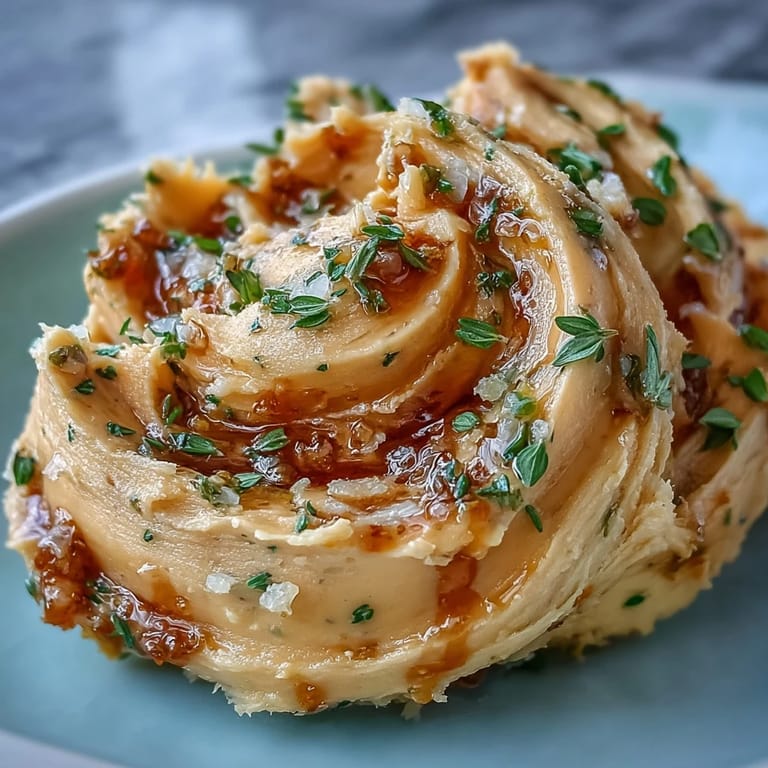
- Just before serving, sprinkle a tiny pinch of extra fleur de sel across the top for visual appeal and a final textural contrast. Bring it to room temperature for about five minutes so it spreads like a dream.
 Pin it
 There's something almost meditative about making compound butter—the quiet mixing, the smell of herbs releasing, the transformation of something simple into something that feels indulgent. My daughter once sat on the counter watching me make it and asked why I was being so careful, and I realized I genuinely didn't have a good answer except that some things deserve to be made with a little intention.
Variations and Flavor Twists
Once you understand the basic ratio, this butter becomes a canvas for whatever your garden or mood dictates. I've made versions with basil and garlic for summer tomatoes, with tarragon for grilled fish, with dill for roasted salmon—each one feels like a different conversation with your ingredients. The honey-salt foundation stays constant, but everything else bends to what you're cooking for that particular meal.
What to Serve It On
This butter is shameless about wanting to show itself off, so pair it with foods that won't overshadow it. Warm bread is the obvious choice, but it's equally stunning melting into fresh corn, across roasted root vegetables, or swirled into a bowl of soup right at the end. I've even used it to finish grilled fish, where it adds richness without any heaviness.
Storage and Make-Ahead Magic
One of the best things about compound butter is that it actually gets better with a day or two of rest in the fridge, as flavors deepen and settle. You can freeze it for up to three months wrapped tightly, and it thaws beautifully without any separation or graininess. This makes it perfect for preparing ahead when you know guests are coming, or for lazy mornings when you want something special without any effort.
- Wrapped tightly, refrigerated salted honey butter lasts about a week, longer than you'd think because the salt acts as a natural preservative.
- Freeze it in an ice cube tray for easy portioning, then pop out individual pieces whenever you need just a little bit of butter magic.
- If your butter ever softens too much, just pop it back in the fridge—it recovers completely without any damage.
 Pin it
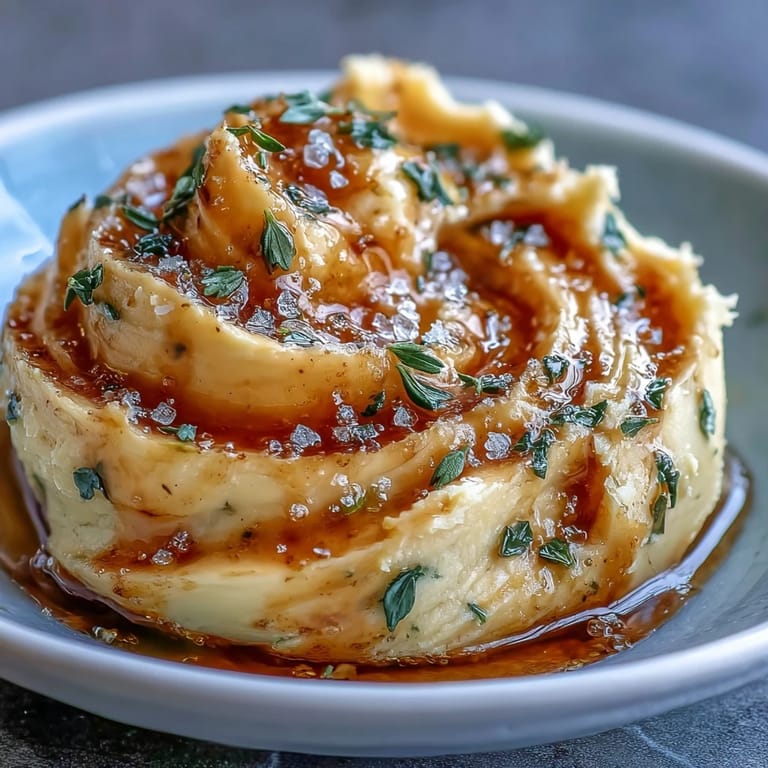
 Making salted honey butter taught me that the best dishes are often the simplest ones, the ones that ask for your full attention for just a few minutes. It's the kind of thing that reminds you why you cook in the first place.
Recipe Questions & Answers
- → What herbs work best with salted honey butter?
Fresh thyme, chives, and rosemary provide a balanced herbal aroma, but basil, tarragon, or dill can be great alternatives depending on your taste preferences.
- → How long should the butter chill before serving?
Chilling for at least one hour allows the flavors to meld and the butter to firm up, making it easier to spread or slice.
- → Can I adjust the sweetness or saltiness?
Yes, taste and add more honey for sweetness or fleur de sel for saltiness to suit your palate.
- → What dishes pair well with this butter?
It’s ideal for warm breads like baguette or cornbread, as well as roasted vegetables to add a flavorful finishing touch.
- → Is this suitable for special dietary needs?
It fits vegetarian and gluten-free diets but contains dairy and honey, so it’s not suitable for those with milk or pollen allergies.