 Pin it
 My friend Marcus showed up at my door one Tuesday evening with a bag of extra-firm tofu and a challenge: make something that would convince his skeptical family that plant-based cooking could be exciting. What started as nervous experimentation in my kitchen became this sheet pan wonder that now gets requested at every gathering. The magic happened when I realized that roasting everything together on one pan somehow made the flavors deepen and the textures sing without any fussy attention. That night, watching his family clean their plates with genuine enthusiasm, I understood that the best dishes aren't about complexity—they're about balance and a little bit of care.
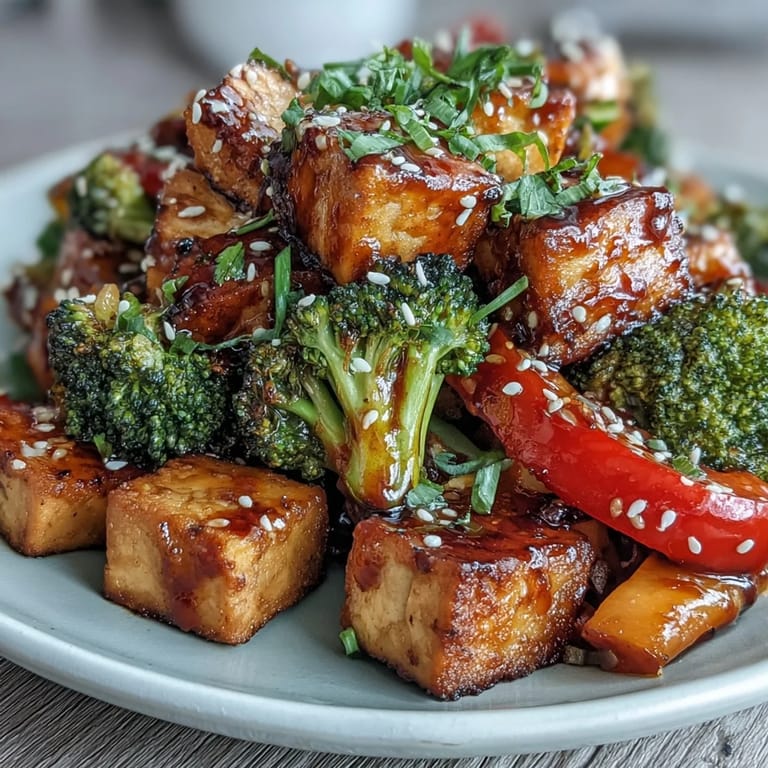
I made this for a cooking class I taught at a community center, and halfway through the demonstration, the entire room filled with this incredible aroma—toasty sesame, ginger, and caramelized peppers mingling together. One student leaned over and whispered, "This smells like takeout, but better," and honestly, that's exactly what I was going for. When we pulled the pan from the oven and drizzled that glossy teriyaki sauce over everything, a few people actually gasped, and I realized how much the visual simplicity of the dish had fooled them about how flavorful it would be.
Ingredients
- Extra-firm tofu: This is non-negotiable—soft or silken tofu will crumble, and that defeats the purpose of getting those gorgeous golden edges that crisp up during roasting.
- Broccoli florets: Cut them roughly the same size so they cook evenly, and don't worry if they look a little charred at the edges; that's where the flavor lives.
- Bell peppers (red and yellow): The combination gives you sweetness and visual warmth, but honestly any color works if that's what you have on hand.
- Red onion: Sliced thin enough to caramelize but thick enough not to disintegrate during the roasting process.
- Vegetable oil: Avocado oil has a higher smoke point and creates an incredible depth, but canola works beautifully too.
- Low-sodium soy sauce or tamari: The backbone of your glaze, and using tamari means you can confidently serve this to anyone watching their gluten intake.
- Maple syrup: Not just sweetness—it adds complexity and helps the glaze cling to everything with a subtle depth that regular sugar can't quite achieve.
- Rice vinegar: The brightness that keeps this from tasting heavy, and it plays perfectly against the richness of the sesame oil.
- Sesame oil: A little goes an enormous way here; it's the reason people will ask you what restaurant you ordered from.
- Fresh garlic and ginger: Minced rather than powdered, because you want those little hits of freshness throughout, and they add a texture element that dried spices simply don't.
- Cornstarch: Makes your sauce glossy and cling-worthy without any starchy aftertaste.
- Sesame seeds and green onions: These aren't just garnish—they add crunch, visual drama, and a finish that makes the whole thing feel restaurant-quality.
Tired of Takeout? 🥡
Get 10 meals you can make faster than delivery arrives. Seriously.
One email. No spam. Unsubscribe anytime.
Instructions
- Heat your oven and prep your stage:
- Set the oven to 220°C (425°F) and line your sheet pan with parchment paper—this small step prevents sticking and makes cleanup feel like a gift to your future self. Let the oven preheat fully; you want it hot and ready because that heat is what transforms your vegetables from raw to caramelized.
- Arrange and season your vegetables and tofu:
- Spread your pressed and cubed tofu across the sheet pan along with all your cut vegetables, then drizzle with oil and sprinkle with salt and pepper, tossing everything gently until each piece is lightly coated. You're not looking for perfection here—just even coverage so everything roasts at the same pace.
- First roast until vegetables soften and tofu crisps:
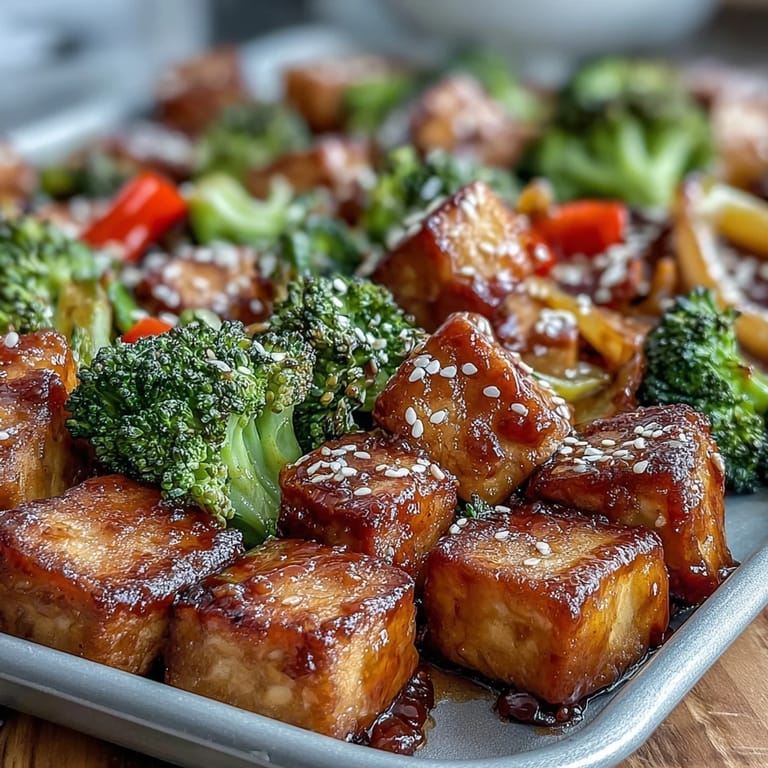
- Pop the whole pan into your preheated oven for 20 minutes, and halfway through, give everything a gentle toss to encourage even browning. By the 20-minute mark, your broccoli should have some charred edges, your peppers should be softening, and your tofu should be turning golden on the corners.
- Make your glaze while everything roasts:
- In a small saucepan over medium heat, whisk together your soy sauce, maple syrup, rice vinegar, sesame oil, minced garlic, and grated ginger, then add your cornstarch mixed with water and keep whisking until the mixture thickens to a glossy consistency—this takes about 2 to 3 minutes. You'll know it's ready when it coats the back of a spoon and smells absolutely incredible.
- Coat everything in glaze and finish roasting:
- Pour your finished teriyaki sauce over the hot tofu and vegetables and toss everything gently to coat, then slide it back into the oven for just 5 more minutes so the glaze can set and cling. This short final roast is where the magic of layered flavors really happens.
- Finish and serve:
- Remove from the oven, scatter sesame seeds and sliced green onions across the top, and serve immediately over steamed jasmine or brown rice if you'd like. The warmth of the dish will keep everything at perfect eating temperature, and those fresh garnishes add the final textural contrast that makes every bite interesting.
 Pin it
 There's a moment during every cooking project when something shifts from being a recipe you're following to being something you own, and for me, it happened the first time I watched someone hesitantly try a bite of this and then immediately reach for more rice to scoop up every last bit of glaze. That's when I knew this dish had transcended being plant-based food or vegan cooking—it had become genuinely delicious food that happened to be vegan, and that distinction matters more than anything.
The Tofu Technique That Changes Everything
The secret I discovered is that extra-firm tofu benefits from being pressed not just to remove moisture, but to create a slightly denser structure that crisps more effectively when roasted. I started patting cubes with a little cornstarch before tossing them in oil, and this minor addition created an almost crispy exterior that contrasted beautifully with the tender inside. It's the kind of small technical detail that feels unimportant until you taste it and realize it's the difference between good tofu and tofu that makes people forget they're eating tofu.
Why Sheet Pan Cooking Transforms Flavors
Roasting everything together in one space creates something magical—the juices from the vegetables mingle with the oil and seasonings, and the tofu absorbs all of it while crisping at the edges. There's a caramelization that happens when vegetables sit close together in high heat, where their natural sugars concentrate and deepen. This isn't about convenience, though that's certainly a bonus; it's about the actual chemistry of flavors developing in a way that steaming or boiling could never achieve.
Customizing Your Vegetables and Making It Your Own
I've learned that the beauty of this recipe lives in its flexibility; snap peas, mushrooms, carrots, zucchini, or green beans all work beautifully depending on what's calling to you from the market that day. The key is cutting everything to similar sizes so nothing finishes cooking before something else turns to mush. If you're adding delicate vegetables like snap peas, toss them in during the last 10 minutes of cooking so they stay crisp rather than becoming rubbery.
- Harder vegetables like carrots and potatoes might need the full baking time plus a few extra minutes, so consider your ingredient choices based on density.
- Keep the aromatics in the glaze consistent because they're what tie everything together regardless of which vegetables you choose.
- Remember that roasted vegetables always take up less space than raw ones, so fill your pan generously without worrying you've overcrowded it.
 Pin it
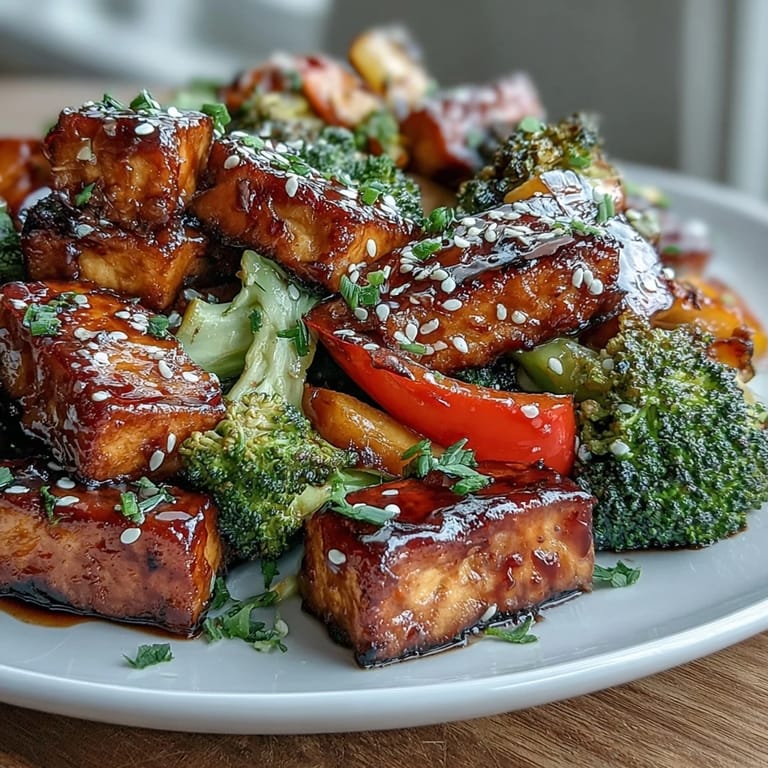
 This dish has become my answer whenever someone asks what plant-based cooking actually tastes like, because it's a genuine pleasure to eat—not a compromise, not a health choice that sacrifices flavor, but actual deliciousness. Serve it warm over rice with a tall glass of cold tea or a dry Riesling if you're in the mood, and watch it disappear.
Recipe Questions & Answers
- → How do I get extra-crispy tofu in this dish?
Toss the cubed tofu in a tablespoon of cornstarch before baking to enhance crispiness.
- → Can I substitute the vegetables used here?
Yes, snap peas, carrots, or mushrooms make excellent alternatives to bell peppers and broccoli.
- → Is this dish gluten-free?
Yes, using tamari instead of soy sauce ensures a gluten-free version.
- → What sides pair well with this meal?
Steamed jasmine or brown rice complements the dish nicely, along with light beverages like dry Riesling or chilled green tea.
- → How is the teriyaki glaze made?
It’s a simple blend of soy sauce or tamari, maple syrup, rice vinegar, sesame oil, grated ginger, minced garlic, and cornstarch, simmered until thickened.