 Pin it
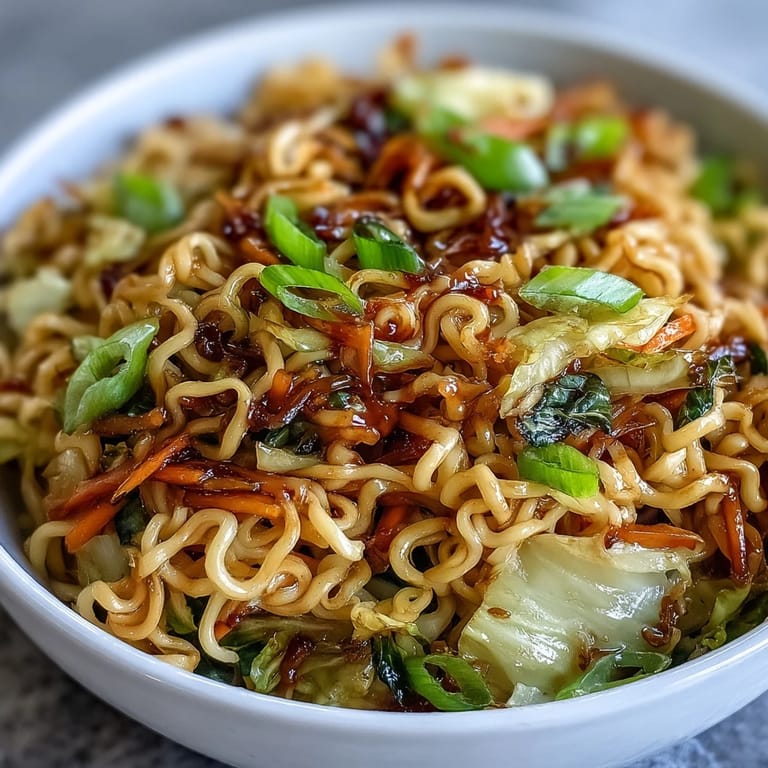
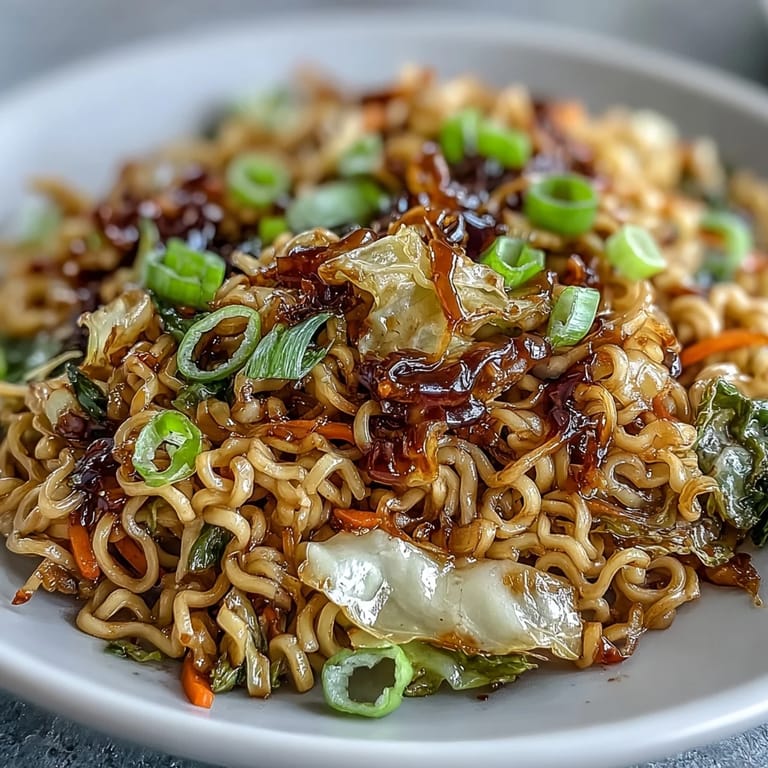
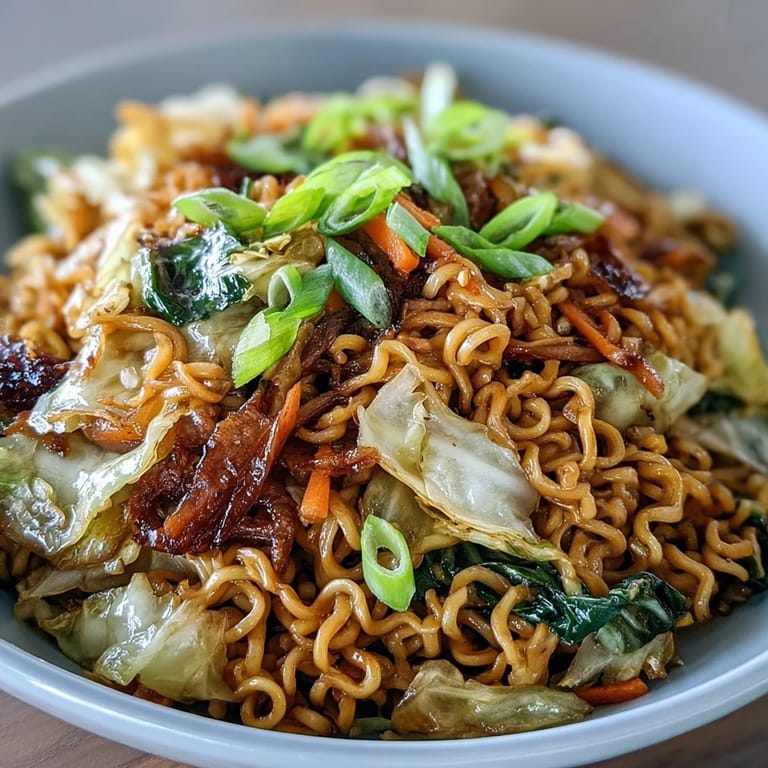
 My roommate used to cook this after late shifts, and the smell of ginger hitting hot oil would wake me up every time. I'd wander into the kitchen half-asleep, and she'd slide a bowl across the counter without a word. The cabbage always had these crispy, caramelized edges that made the cheap ramen noodles taste like something from a real restaurant. I started making it myself when she moved out, and now it's my go-to whenever I need something fast but don't want to feel like I'm eating sad takeout alone.
I made this for my brother once when he showed up unannounced and hungry. He's the type who only eats meat and potatoes, so I thought he'd pick at it and order pizza. Instead, he scraped the bowl clean and asked if I had more cabbage. He still texts me photos whenever he tries to make it himself, usually with way too much chili flake because he never measures anything.
Ingredients
- Green cabbage: Slice it thin so it fries up quickly and gets those browned edges that taste almost nutty, thicker pieces just steam and get soggy.
- Carrot: Julienne it for texture and a little sweetness that balances the salty sauce, plus it looks prettier than carrot chunks.
- Scallions: Keep the whites and greens separate because the whites need to cook with the garlic and the greens stay bright and sharp when added raw at the end.
- Garlic and ginger: Fresh is non-negotiable here, the jarred stuff turns bitter when it hits high heat and ruins the whole vibe.
- Instant ramen noodles: Toss those seasoning packets or save them for another use, you're making a real sauce that doesn't taste like salt and MSG regret.
- Soy sauce: This is your salt base, use low sodium if you're cautious but I like the full-strength kind for this.
- Oyster sauce: Adds a savory depth that soy sauce alone can't give, swap it for mushroom sauce if you're cooking for vegans and nobody will know.
- Toasted sesame oil: A little goes a long way, it smells like every good stir-fry you've ever had at a restaurant.
- Rice vinegar: Just enough to cut through the richness without making it taste sour, don't skip it.
- Sugar: Balances the salty and helps the cabbage caramelize, even if you think you don't like sweet in savory dishes.
- Chili flakes: Optional but I always add them because I like a little heat that sneaks up on you halfway through the bowl.
- Vegetable oil: You need something neutral with a high smoke point, olive oil will make it taste weird and burn too fast.
Tired of Takeout? 🥡
Get 10 meals you can make faster than delivery arrives. Seriously.
One email. No spam. Unsubscribe anytime.
Instructions
- Boil the noodles:
- Bring a pot of water to a rolling boil and cook the ramen just until the noodles separate and soften, usually about three minutes. Drain them well and set them aside, wet noodles will make your stir-fry watery.
- Mix the sauce:
- Whisk together soy sauce, oyster sauce, sesame oil, rice vinegar, sugar, and chili flakes in a small bowl. It should smell salty and tangy and a little sweet all at once.
- Start the aromatics:
- Heat vegetable oil in a large skillet or wok over medium-high until it shimmers, then add garlic, ginger, and the white parts of the scallions. Stir constantly for about a minute until your kitchen smells amazing and the garlic just starts to turn golden.
- Fry the vegetables:
- Toss in the cabbage and carrot, and stir-fry for four to five minutes without stirring too much so the cabbage gets crispy brown spots. You want it tender but still crunchy, not limp and sad.
- Toss with noodles and sauce:
- Add the cooked noodles and pour the sauce over everything, then toss it all together for two to three minutes until the noodles soak up the sauce and everything is glossy and hot. Taste it and adjust with more soy sauce or sesame oil if needed.
- Finish and serve:
- Pull the skillet off the heat, scatter the green scallion tops over the top, and serve it right away while it's still steaming. It's best eaten immediately before the noodles get gummy.
 Pin it
 The first time I served this at a dinner party, someone asked if I'd ordered it from the Thai place down the street. I didn't correct them right away because I liked the idea that something this simple could fool people into thinking I'd spent real money. When I finally admitted it was just cabbage and ramen, half the table asked for the recipe on the spot.
Making It Your Own
This recipe is basically a template for whatever you have lying around. I've thrown in sliced mushrooms, bell peppers, snap peas, and even frozen edamame when I had nothing fresh. A fried egg on top turns it into breakfast, and crispy tofu makes it filling enough for people who think vegetarian food isn't real dinner. Once I added leftover rotisserie chicken and it tasted like expensive takeout, so don't be precious about keeping it vegetarian if that's not your thing.
Storing and Reheating
It keeps in the fridge for about two days, but the noodles soak up the sauce and get a little mushy. I reheat it in a hot skillet with a splash of water or soy sauce to loosen everything up, microwaving it just makes it sad and rubbery. If I know I'm going to have leftovers, I sometimes cook the noodles separately and store them apart from the cabbage so I can toss them together fresh when I reheat.
Adjustments and Swaps
For gluten-free, swap the ramen for rice noodles and use tamari instead of soy sauce, just check the oyster sauce label because some brands sneak in wheat. If you want it spicier, add sriracha or sambal oelek directly into the sauce instead of relying on chili flakes. I've also made it with red cabbage when that's all I had, and it turns the whole dish purple which looks weird but tastes the same.
- Toasted sesame seeds or crushed peanuts on top add crunch and make it feel more restaurant-style.
- A squeeze of lime juice at the end brightens everything up if it tastes too heavy.
- Double the ginger if you love that sharp, spicy bite, I do this every time now.
 Pin it
 This dish has gotten me through more tired weeknights than I can count, and it still surprises me how something so cheap and fast can feel this satisfying. Make it once and you'll understand why I keep coming back to it.
Recipe Questions & Answers
- → Can I use fresh noodles instead of instant ramen?
Yes, fresh ramen noodles work beautifully in this dish. Cook them according to package directions and proceed with the stir-fry as written. Fresh noodles will give you an even better texture.
- → How do I make this dish vegan?
Replace oyster sauce with mushroom sauce or hoisin sauce. Ensure your instant ramen noodles don't contain animal products, or use rice noodles as an alternative.
- → What other vegetables can I add?
Bell peppers, snap peas, broccoli florets, mushrooms, and bok choy all work wonderfully. Add heartier vegetables like broccoli earlier in the cooking process to ensure they soften properly.
- → Can I make this ahead of time?
This dish is best served immediately for optimal texture. However, you can prep all vegetables and sauce in advance, then stir-fry everything just before serving.
- → How can I add more protein?
Top with a fried or soft-boiled egg, add cubed tofu, or toss in edamame. For non-vegetarian options, sliced chicken, shrimp, or pork work excellently.
- → Is this dish spicy?
The chili flakes are optional, so you control the heat level. Without them, the dish is savory and mild. Add more chili flakes, sriracha, or chili oil if you prefer spicier food.