 Pin it
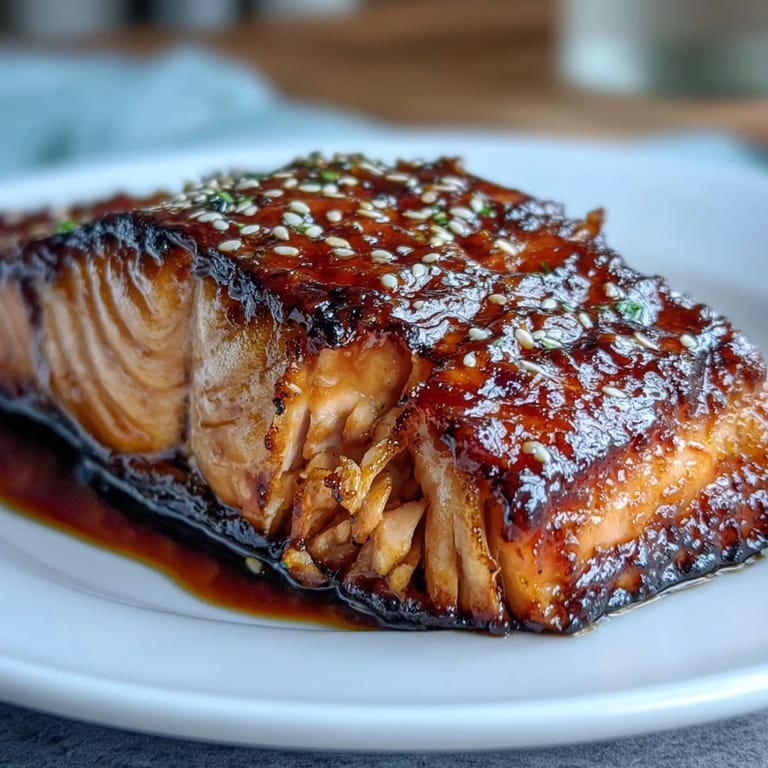
 There's something about the way miso paste transforms salmon that caught me off guard the first time I really paid attention to it. My neighbor stopped by one evening with a bottle of mirin and this knowing smile, insisting I try her technique for glazing fish. What started as curiosity became a weeknight staple, especially after I realized how quickly the whole thing comes together. The umami hits different when you've got that caramelized top catching the light, sitting there on a bed of ginger-scented spinach. It's one of those dishes that feels restaurant-worthy but somehow belongs in your everyday rotation.
I made this for my partner after a rough week, and watching them close their eyes after that first bite reminded me why I actually enjoy cooking. There's a kind of quiet satisfaction in plating something that looks intentional, something you'd order somewhere but decided to make at home instead. That lemon wedge wasn't even in my original plan, but squeezing it over the salmon right before eating became the move that changed everything about how the flavors landed.
Ingredients
- Salmon fillets (4, about 150 g each): Skin-on holds everything together and gets wonderfully crispy, but skinless works if that's your preference or what your fishmonger has looking fresh.
- White miso paste (2 tbsp): This is where the magic lives, creating an umami depth that regular seasoning simply cannot match—don't skip it or substitute with red miso, which tastes too intense.
- Mirin (1 tbsp): The subtle sweetness balances the miso's saltiness; dry sherry works in a pinch but mirin gives you that authentic glaze texture.
- Low-sodium soy sauce (1 tbsp for glaze, 1 tbsp for spinach): Control the salt so you're not fighting an overly aggressive seasoning by the end.
- Honey or maple syrup (1 tbsp): A touch of natural sweetness that caramelizes beautifully under heat and deepens the glaze color.
- Sesame oil (1 tsp): A small amount goes far; it's the whisper of nuttiness that ties the whole dish together.
- Fresh grated ginger (1 tsp for glaze, 1 tbsp julienned for spinach): One brings heat to the glaze, the other adds texture and brightness to the greens—use both for the full effect.
- Fresh baby spinach (400 g): It wilts down dramatically, so don't panic when it looks like too much raw; it's exactly the right amount.
- Shallot and garlic (1 shallot thinly sliced, 2 garlic cloves minced): These create an aromatic base that's gentler than onion and more forgiving than garlic alone.
- Olive or sesame oil (2 tbsp for spinach): Sesame oil deepens the Asian-inspired flavor, but olive oil keeps things lighter if you prefer.
- Lemon wedges: Essential for cutting through richness and brightening everything at the last moment.
Tired of Takeout? 🥡
Get 10 meals you can make faster than delivery arrives. Seriously.
One email. No spam. Unsubscribe anytime.
Instructions
- Set your oven and prep your stage:
- Preheat to 200°C (400°F) and line your baking tray with parchment paper so the salmon doesn't stick and the cleanup is painless. This step takes two minutes and saves you from salmon skin drama later.
- Build the glaze:
- In a small bowl, whisk together miso paste, mirin, soy sauce, honey, sesame oil, and grated ginger until smooth and glossy. The mixture should look like it's ready to hug something delicious.
- Prepare the salmon:
- Pat your fillets dry with paper towels (this helps the glaze stick and the skin get crispy). Lay them on the prepared tray and brush generously with your miso mixture, making sure every surface gets coated.
- Bake until just cooked through:
- Slide the tray into the oven for 10 to 12 minutes; you're aiming for that moment when the thickest part flakes easily but still has a whisper of translucence inside. The top should have golden-brown caramelized spots.
- Start the spinach while salmon bakes:
- Heat your oil in a large skillet over medium heat, then add sliced shallot, minced garlic, and julienned ginger. Let them get fragrant for a minute or two, and your kitchen will smell like something from a really good restaurant.
- Wilt the spinach in batches:
- Add spinach gradually, stirring as it softens down; rushing this step leads to steam and soggy greens, so take your time. Once all the spinach is in and wilted, season with soy sauce and black pepper, tasting as you go.
- Plate and serve:
- Divide the warm spinach among four plates, top each portion with a miso-glazed salmon fillet, and serve with lemon wedges on the side. Let people squeeze the lemon themselves so they control how bright they want the final bite to be.
 Pin it
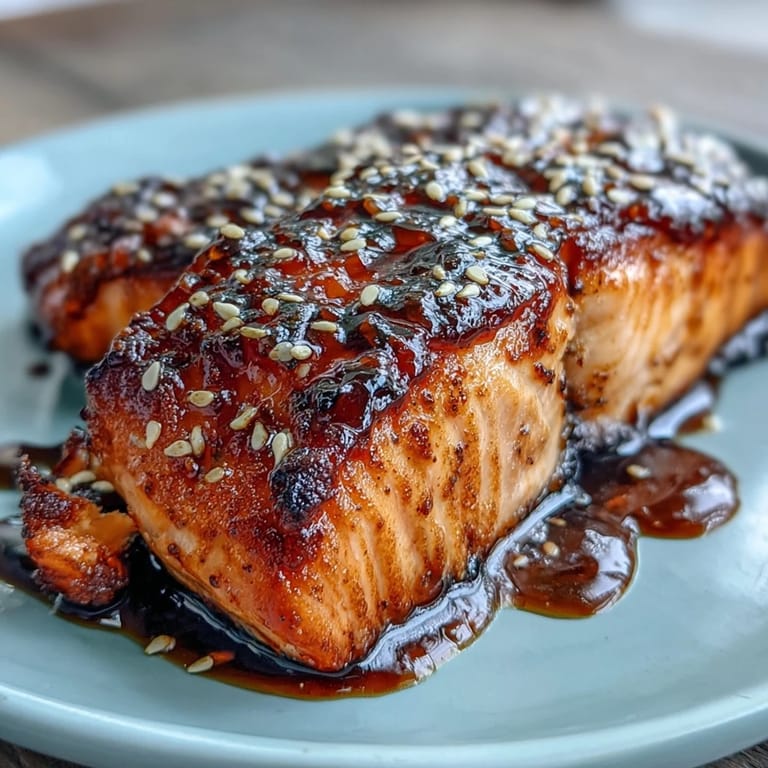
 There's this moment right when you pull the salmon out of the oven, when the kitchen fills with that sweet-savory miso aroma mixed with the warmth of toasted sesame, that makes the whole effort feel worth it. Even on nights when I'm exhausted, plating this dish feels like I'm doing something intentional for myself or whoever's sitting across from me at the table.
Why This Dish Works Every Time
The balance of flavors is almost foolproof if you follow the glaze ratios, which is rare for a dish that feels this elegant. Miso, mirin, and honey create a trifecta that handles itself; you're not fighting salt against sweetness or bitterness against brightness. The spinach underneath isn't just a vehicle for the salmon either—it absorbs those caramelized drippings and becomes its own fully realized component on the plate.
Making This Your Own
Once you nail the base, the variations practically invite themselves. I've swapped the white miso for chickpea miso when I was experimenting, added a splash of rice vinegar to the glaze for extra sharpness, and even broiled the whole thing instead of baking when I wanted everything done faster. The spinach base is flexible too; I've mixed in wilted bok choy, swapped spinach for hearty kale, or added a handful of thinly sliced mushrooms for earthiness.
Serving Suggestions and Pairings
Steamed jasmine rice or fluffy quinoa alongside this makes the meal feel complete and gives you something to soak up the glaze that drips onto the plate. A crisp white wine like Sauvignon Blanc cuts through the richness of the salmon while respecting the delicate ginger and miso notes. For something non-alcoholic, sparkling water with a wedge of lemon or a light green tea lets the food be the star.
- Toasted sesame seeds or sliced scallions sprinkled on top add texture and a final visual flourish right before serving.
- If you want extra vegetables, quick-sautéed snap peas or thinly sliced carrots fit seamlessly onto the plate without competing for attention.
- Leftover salmon, oddly enough, tastes incredible cold the next day with a squeeze of lemon, served alongside whatever greens you have on hand.
 Pin it
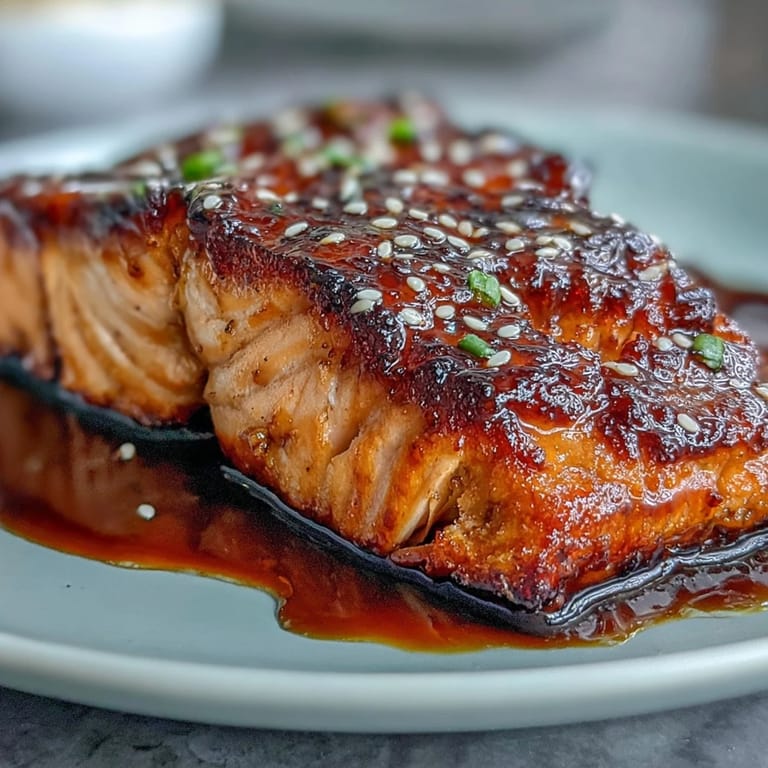
 This is the kind of dinner that proves you don't need complicated techniques or a long ingredient list to feel proud of what you've cooked. It's straightforward enough for a regular Tuesday, impressive enough to serve someone you want to impress, and delicious enough to become something you find yourself reaching for again and again.
Recipe Questions & Answers
- → What type of miso paste works best?
White miso (shiro miso) is ideal for this glaze—its mild, slightly sweet flavor complements salmon without overpowering. Red miso can be used for a stronger, more intense umami kick.
- → Can I use frozen salmon fillets?
Yes, thaw completely and pat dry before glazing. Frozen fish releases more moisture, so expect slightly less caramelization. Avoid previously frozen salmon if planning to serve rare.
- → How do I prevent the glaze from burning?
The honey or maple syrup in the glaze can caramelize quickly. Watch closely during the last 2 minutes of baking. If the tops darken too fast, tent loosely with foil.
- → What sides pair well with this dish?
Steamed jasmine rice or nutty brown rice absorbs the miso flavors beautifully. Quinoa, roasted bok choy, or shiitake mushrooms also complement the Japanese-inspired profile.
- → Can I make this dairy-free and gluten-free?
Absolutely. The dish is naturally dairy-free. Use tamari or coconut aminos instead of soy sauce, and verify your miso paste is certified gluten-free.
- → How long will leftovers keep?
Store in an airtight container for up to 2 days. Reheat gently in a low oven or enjoy cold over salads. The glaze may soften but flavors remain delicious.