 Pin it
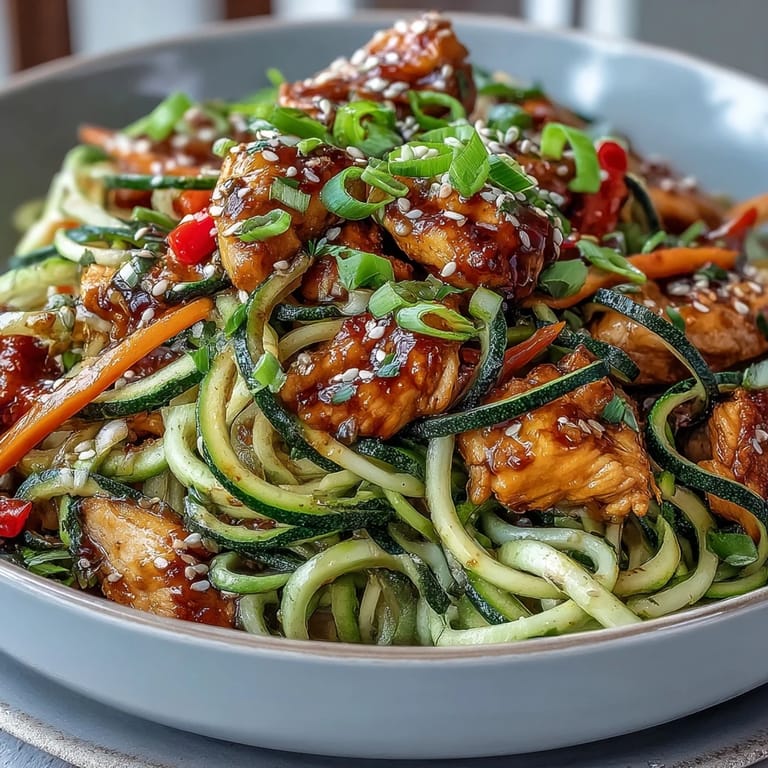
 There's something almost magical about the moment zucchini noodles hit a hot wok and the kitchen fills with that grassy, fresh aroma mixed with garlic and ginger. My first attempt at this stir fry happened on a random Tuesday when I'd bought way too many zucchini at the farmers market and needed to use them before they got soft. What started as a desperate attempt to avoid waste turned into one of those meals I now make on autopilot whenever I need something quick, satisfying, and genuinely good for me.
I made this for my partner when they were trying to eat lighter, and I remember standing by the stove thinking this shouldn't taste this good if it's actually good for you. They came home, smelled the sesame oil and garlic from the hallway, and asked what fancy restaurant I was ordering from. When they realized I'd actually cooked it, that was the moment I knew this recipe had staying power.
Ingredients
- 500 g boneless, skinless chicken breast, thinly sliced: The thinner you slice it, the faster it cooks and the more tender it stays, so take an extra 30 seconds with your knife and thank yourself later.
- 3 medium zucchini, spiralized into noodles: Fresh zucchini matters here because older ones have more water inside, which is the enemy of crispy noodles.
- 1 large red bell pepper, thinly sliced: Red peppers have more natural sweetness than green, which balances the savory sauce beautifully.
- 2 medium carrots, julienned: They add a subtle crunch and natural sweetness that rounds out the whole dish.
- 1 small red onion, thinly sliced: Red onions stay slightly sweet when cooked briefly, unlike yellow onions which can get harsh.
- 2 cloves garlic, minced: Fresh garlic is non-negotiable here because that pungent bite is what makes this taste like real stir fry.
- 1 tablespoon fresh ginger, grated: Ginger adds warmth and brightness that bottled versions can't quite capture.
- 2 green onions, sliced: Save these for garnish at the very end so they stay fresh and add a bite of color.
- 3 tablespoons low-sodium soy sauce or tamari: Low-sodium matters because you're controlling the salt level yourself.
- 1 tablespoon sesame oil: This is the secret ingredient that makes everything taste authentically Asian, not like a sad health food.
- 1 tablespoon rice vinegar: The slight tang keeps the dish from tasting one-dimensional and heavy.
- 1 tablespoon honey or maple syrup: Just enough sweetness to marry all the flavors together without making it dessert.
- 1 teaspoon cornstarch: This optional addition thickens the sauce so it clings to the noodles instead of pooling at the bottom of your pan.
- 1/2 teaspoon chili flakes: Heat is completely optional, but I almost always use it because the slight burn makes you appreciate the other flavors more.
- 1 tablespoon olive oil or neutral cooking oil: You need a high smoke point oil for the initial chicken sear, so skip the fancy stuff here.
- Salt and freshly ground black pepper, to taste: Always taste at the end because soy sauce is salty and you might not need much more.
Tired of Takeout? 🥡
Get 10 meals you can make faster than delivery arrives. Seriously.
One email. No spam. Unsubscribe anytime.
Instructions
- Whisk your sauce together first:
- In a small bowl, mix soy sauce, sesame oil, rice vinegar, honey, cornstarch if using, and chili flakes. This takes two minutes and means you're never fumbling with bottles once the heat is on.
- Get your skillet screaming hot:
- Heat olive oil in a large skillet or wok over medium-high heat until you see wisps of smoke. You want it hot enough that the chicken sizzles the moment it touches the pan.
- Cook the chicken until it's golden:
- Add sliced chicken in a single layer, season lightly with salt and pepper, and resist the urge to stir for the first minute so it can actually brown. Stir-fry for 4 to 5 minutes total until it's cooked through and has golden edges. Transfer it to a clean plate and set it aside.
- Bloom your aromatics:
- In the same skillet, add minced garlic, grated ginger, and sliced red onion. Stir constantly for about a minute until the kitchen smells incredible and the raw garlic bite softens.
- Add the heartier vegetables:
- Toss in the carrots and red bell pepper, keeping the heat high. Stir-fry for 2 to 3 minutes until they're just starting to soften but still have a slight crunch.
- Add the zucchini noodles and move quickly:
- This is the moment that matters most because zucchini releases water fast. Add the noodles and toss constantly for 1 to 2 minutes, just until they begin to soften. Overcooking them by even one minute turns them from crispy-tender into mushy regret.
- Bring everything back together:
- Return the cooked chicken to the skillet and pour in your sauce. Toss everything together for 1 to 2 minutes so the sauce coats the noodles and slightly thickens if you added cornstarch.
- Taste and adjust:
- Before you finish, taste a noodle and see if you need more salt, acid from the vinegar, or heat from chili flakes. Every soy sauce brand is slightly different, so trust your palate.
- Finish and serve immediately:
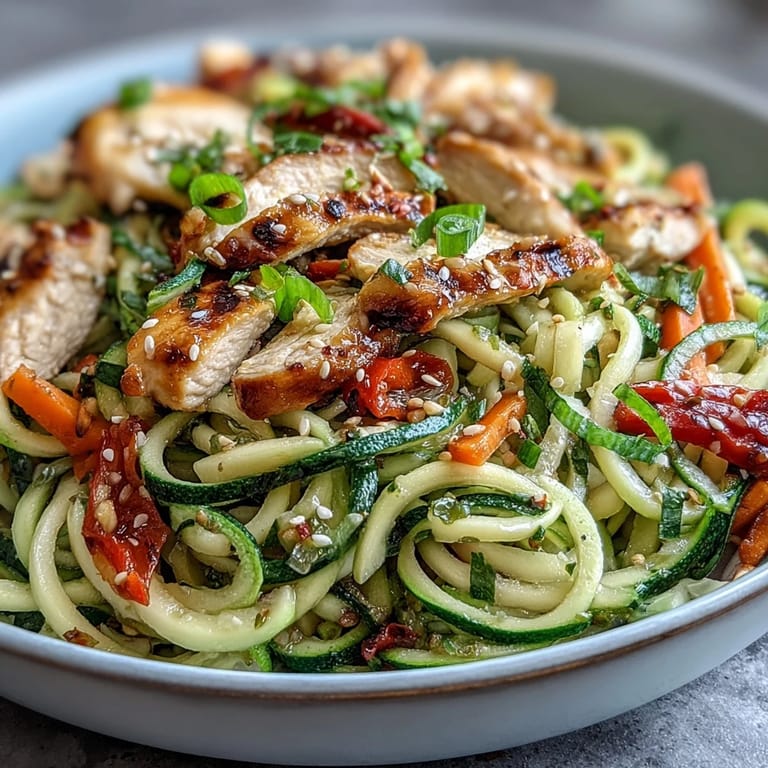
- Remove from heat right away, divide into bowls, and top with fresh sliced green onions. Eat it while everything is still warm and the zucchini noodles haven't started to weep.
 Pin it
 I brought this to a potluck once where someone else had made a heavy pasta bake, and I watched three people go back for seconds of my stir fry instead of trying the other option. That's when I realized this isn't just healthy food or diet food—it's genuinely delicious food that happens to be good for you, which is a completely different thing.
Why Zucchini Noodles Work Better Than You Might Think
I used to be skeptical about zucchini noodles because I'd had rubbery, sad versions before. But when you treat them right—meaning you spiralize them fresh, don't cook them too long, and use a sauce with enough sesame oil and soy to coat them properly—they become this light, slightly sweet canvas that actually lets the other flavors shine. They're not trying to be pasta; they're something better because they're lighter and you can eat more of them guilt-free.
The Sauce Is Where the Magic Lives
The combination of sesame oil, rice vinegar, and honey creates this balance that tastes complex without being complicated. The sesame oil brings richness and that toasted flavor that makes people ask what restaurant you learned to cook from, the rice vinegar adds brightness so it doesn't taste one-note, and the honey rounds everything out without making it sweet. You could add more soy sauce for extra umami, or more vinegar if you like tangier food, but this ratio is the sweet spot I keep coming back to.
Simple Swaps and Variations That Actually Work
The beauty of this stir fry is that it's forgiving enough to work with whatever proteins or vegetables you have on hand. Tofu works beautifully if you're going vegetarian, though you might want to press it first and crisp it in the pan with a little extra oil so it has texture. Shrimp cooks even faster than chicken and absorbs flavor beautifully, or you can keep it completely vegetarian by loading it with more mushrooms, broccoli, or snap peas.
- Swap the chicken for 400g of firm tofu, pressed and cut into cubes, then pan-fry until crispy before adding vegetables.
- If you don't have rice vinegar, apple cider vinegar works in a pinch, though you might need slightly less because it's more assertive.
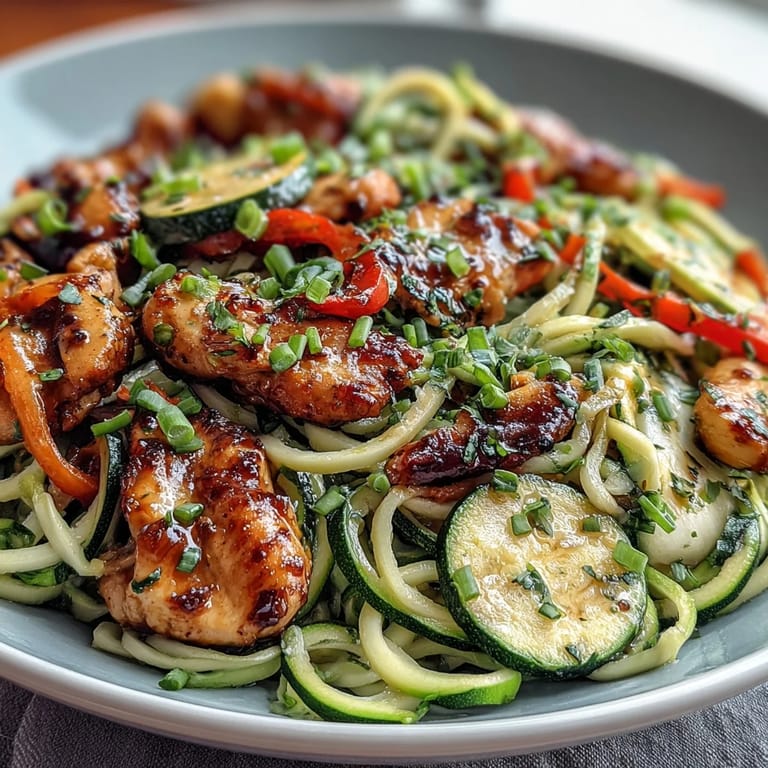
- Sesame seeds or fresh cilantro sprinkled on top at the very end transforms it from good to restaurant-quality looking.
 Pin it
 This meal has become my go-to when I want to feel nourished and energized instead of heavy, and it tastes good enough that nobody feels like they're eating health food. Make it once and you'll probably find yourself making it again and again.
Recipe Questions & Answers
- → How do I prevent zucchini noodles from becoming soggy?
Cook zucchini noodles briefly, just 1–2 minutes, to soften slightly without releasing too much water. Avoid overcooking.
- → Can I substitute chicken with another protein?
Yes, tofu or shrimp can be used as alternatives for different dietary preferences while maintaining texture and flavor balance.
- → What is the best oil to use for stir-frying?
Olive oil or a neutral cooking oil like vegetable or canola oil works well to achieve a balanced flavor and proper cooking temperature.
- → How should I adjust the sauce for gluten-free needs?
Substitute soy sauce with tamari to ensure the sauce remains gluten-free without compromising taste.
- → Can I add heat to the dish?
Yes, adding chili flakes to the sauce or as a garnish introduces a mild spicy kick to enhance flavors.