 Pin it
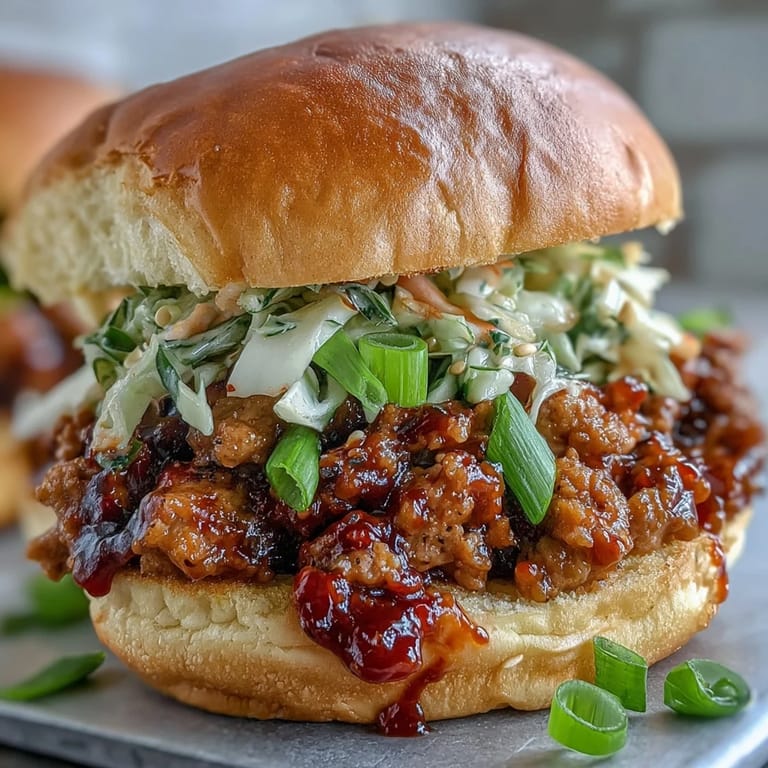
 My coworker brought Korean gochujang to a potluck, and I spent twenty minutes staring at the jar wondering what to do with it. That night, I craved a sloppy joe but wanted something with more personality, so I raided my pantry and ended up with this fusion that tastes like a conversation between Seoul and 1950s America. The first time I made these sliders, my kitchen smelled like toasted sesame and caramelized onions, and I knew I'd accidentally created something special. Now whenever someone mentions comfort food, these are what I reach for.
I made a batch for my friend's game night, and watching four grown adults fight over the last slider while laughing at themselves was worth every minute of prep work. That's when I realized these weren't just fusion food, they were conversation starters that happened to be delicious.
Ingredients
- Ground turkey: Lean, forgiving, and absorbs all those spicy-sweet flavors without disappearing into the sauce like some proteins do.
- Gochujang: The heart of this whole thing, a Korean chili paste that brings funk, heat, and depth in one spoonful, but start with less if you're spice-sensitive.
- Rice vinegar: Brighter and gentler than regular vinegar, it keeps the sauce from tasting aggressively sour.
- Toasted sesame oil: Non-negotiable for that authentic Korean-American flavor, but use sparingly since a little goes a long way.
- Green cabbage: Raw and crunchy, it's the textural hero that prevents these sliders from turning into a one-note mess.
- Slider buns: Look for ones that are soft but sturdy enough to handle the weight without falling apart halfway through eating.
Tired of Takeout? 🥡
Get 10 meals you can make faster than delivery arrives. Seriously.
One email. No spam. Unsubscribe anytime.
Instructions
- Build your slaw foundation first:
- Toss the cabbage, carrots, and green onions together in a bowl while you make the dressing, then coat everything and let it sit in the fridge while you cook the turkey. This gives the vegetables time to soften slightly and get properly seasoned.
- Sauté your aromatics with intention:
- Start the onion alone in oil, listening for that gentle sizzle that means it's releasing its natural sweetness, then add the garlic and ginger to wake everything up. Don't rush this part, the flavors need time to bloom and mellow together.
- Brown the turkey with your hands ready:
- Break it up aggressively as it hits the pan, making sure no clump stays bigger than a small pea, which helps it absorb the sauce evenly and cook faster. You'll know it's done when there's no pink left and the meat is separated into fine, fluffy pieces.
- Layer the sauce like you're building flavor:
- Pour in all your sauce components at once, then let them simmer together quietly for a few minutes until it thickens enough to cling to the meat. The mixture should look glossy and coat the back of a spoon, not runny or pasty.
- Toast your buns for textural contrast:
- Hit them with a quick toast so they stay crispy on the outside even when the hot turkey hits them, creating structure against the juicy filling and slaw. This is the difference between sliders that hold together and ones that dissolve in your hands.
- Stack with intention and serve immediately:
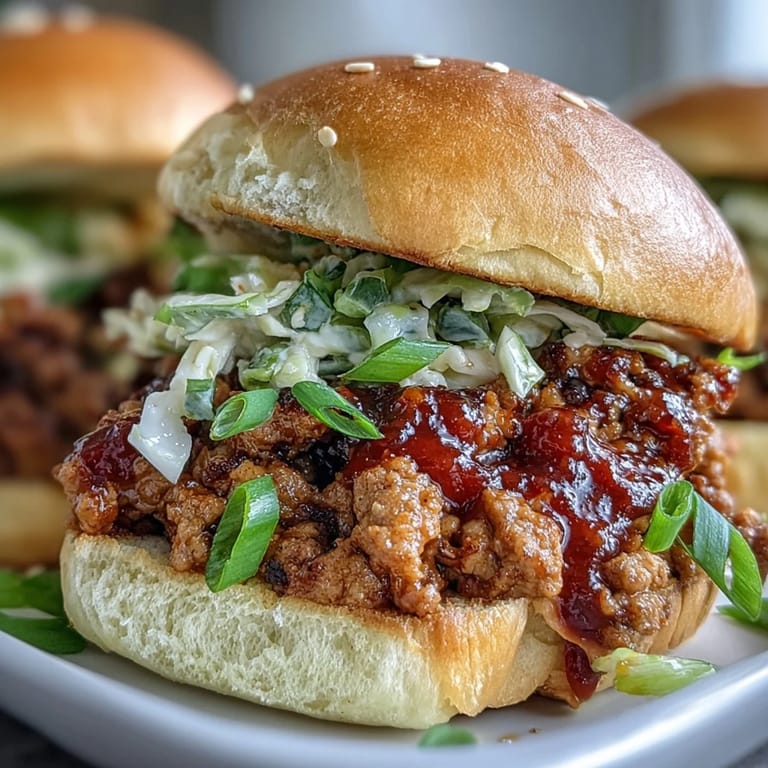
- Load the bottom bun generously with turkey, top with a handful of cold slaw so the temperature contrast is exciting, then crown it and eat right away. The longer they sit, the soggier they get, so timing is everything.
 Pin it
 My neighbor asked for leftovers after smelling them through our shared wall, and we ended up talking for an hour about food experiments that worked and ones that didn't. It reminded me that recipes are really just invitations to take risks in the kitchen and share something made with your own hands.
The Gochujang Secret
Gochujang isn't just heat, it's a whole flavor story, with sweet, salty, and slightly fermented notes that make your mouth do three things at once. The first time I used it, I treated it like regular hot sauce and added too much, then learned that a little dissolved into simmering sauce spreads its magic further than you'd expect. Now I always taste as I go, adding in smaller increments than I think I need, letting the flavors mellow and meld before I decide if more heat is necessary.
Why These Work as Sliders
There's something about the slider format that forces you to eat these in two or three bites, which means every bite has the right ratio of turkey, slaw, and bun instead of falling apart into components. The small scale also makes them perfect for sharing, which is how I discovered that people will eat four of these when they'd feel too full after two regular burgers. The portion size tricks your brain into thinking you're eating something lighter while you're actually getting plenty satisfied.
Building Flavor Layers
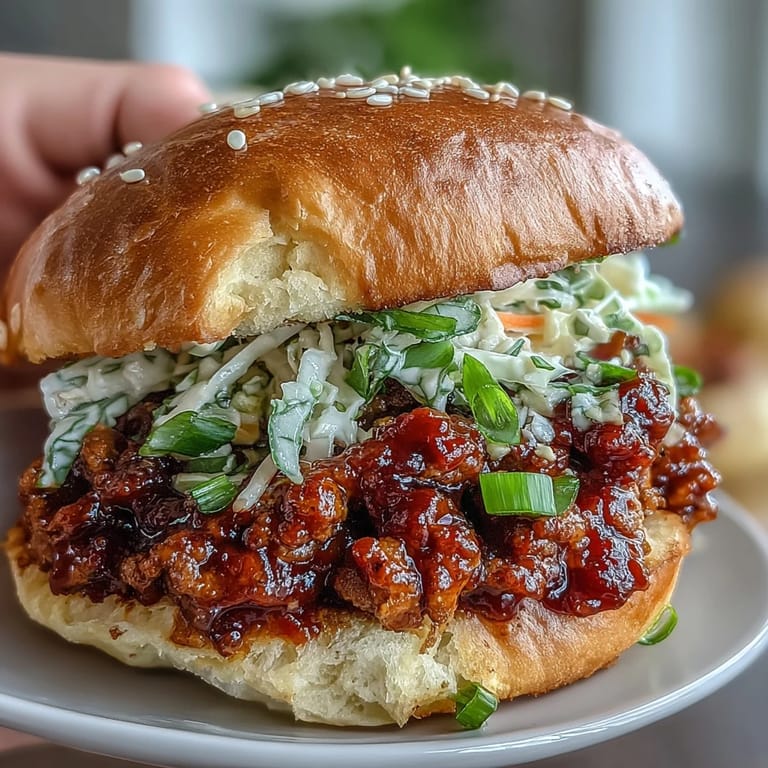
This recipe teaches you how different components talk to each other when they're given space and attention, the way the sweetness of brown sugar and ketchup plays against the funky depth of gochujang and soy sauce. When you taste the turkey filling on its own, it might seem too intense, but once the cool, crisp slaw hits your palate, everything balances into something that feels intentional rather than overwhelming. I learned this lesson the hard way by tasting components in isolation instead of the whole slider, which made me second guess myself until I assembled one and suddenly understood the vision.
- The sesame seeds aren't optional if you want that final nutty, toasted layer that makes people notice something special about these sliders.
- Serve these with something cool on the side, whether it's pickled vegetables or a light slaw, because the spice needs something refreshing to push against.
- Make extra slaw because people will want more slaw than you predicted, and it keeps in the fridge for days anyway.
 Pin it
 These sliders changed the way I think about fusion cooking, teaching me that you don't have to choose between cuisines, you can invite them to share the same plate. Every time I make them, I remember why I started cooking in the first place, which is to make people happy with something warm and thoughtfully made.
Recipe Questions & Answers
- → Can I make these sliders ahead of time?
The turkey filling actually tastes better the next day as flavors meld. Prepare it up to 2 days in advance and reheat gently before assembling. Keep the slaw separate and add just before serving to maintain crunch.
- → What can I substitute for gochujang?
Sriracha mixed with a teaspoon of miso paste works well. Alternatively, use chili garlic sauce with a touch of tomato paste for similar depth. The flavor profile will shift slightly but remain delicious.
- → Are these sliders spicy?
They offer mild to medium heat depending on your gochujang brand. The sweetness from brown sugar and ketchup balances the spice beautifully. Add extra sriracha if you prefer more kick.
- → Can I use regular-sized buns?
Absolutely. Slider buns yield 8 servings, but standard hamburger buns work perfectly for 4 larger portions. Simply adjust the assembly time accordingly.
- → What sides pair well with these sliders?
Sweet potato fries complement the Korean flavors beautifully. Pickled vegetables, cucumber salad, or simple steamed rice also work. Keep sides light to let the sliders shine.
- → Can I freeze the turkey filling?
Yes, the filling freezes beautifully for up to 3 months. Cool completely before storing in airtight containers. Thaw overnight in the refrigerator and reheat on the stove.